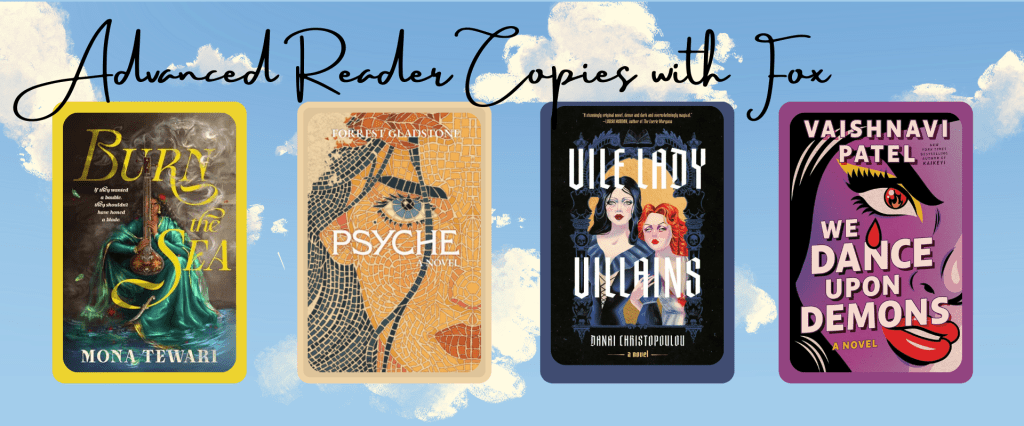
May 2026 was a month full of fairy-tales, fantasy, and folklore all with a heaping side dish of feminine rage. While some hit the mark, others fell short in our round-up.
Thank you to the publishers and Netgalley for giving us advanced copies of each of the following for review:
Burn the Sea by Mona Tewari (Bindery Books)
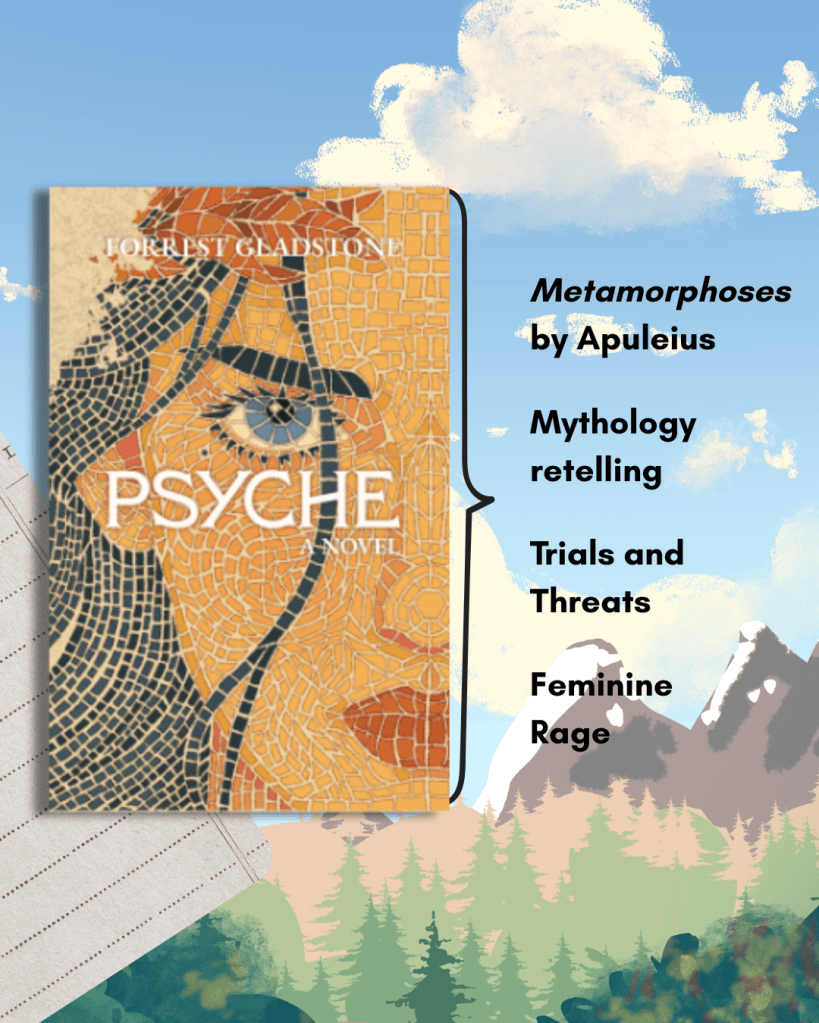
Psyche by Forrest Gladstone (Bosque Publishing)
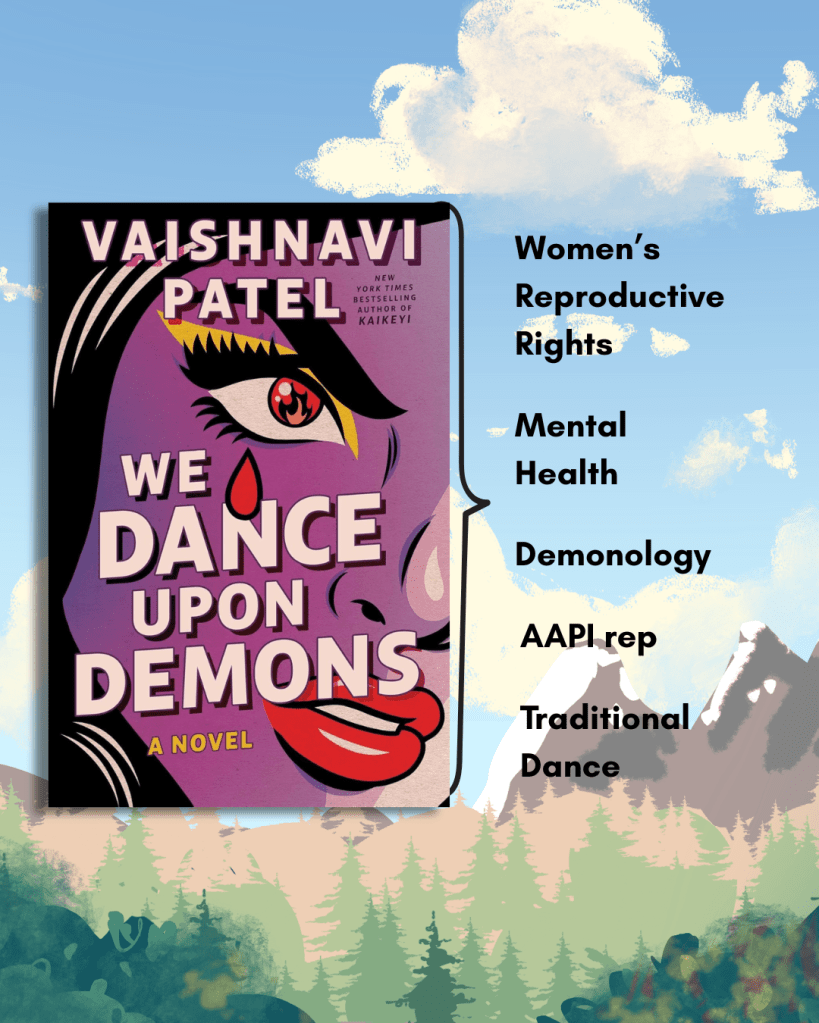
We Dance upon Demons by Vaishnavi Patel (S&S/Saga Press)
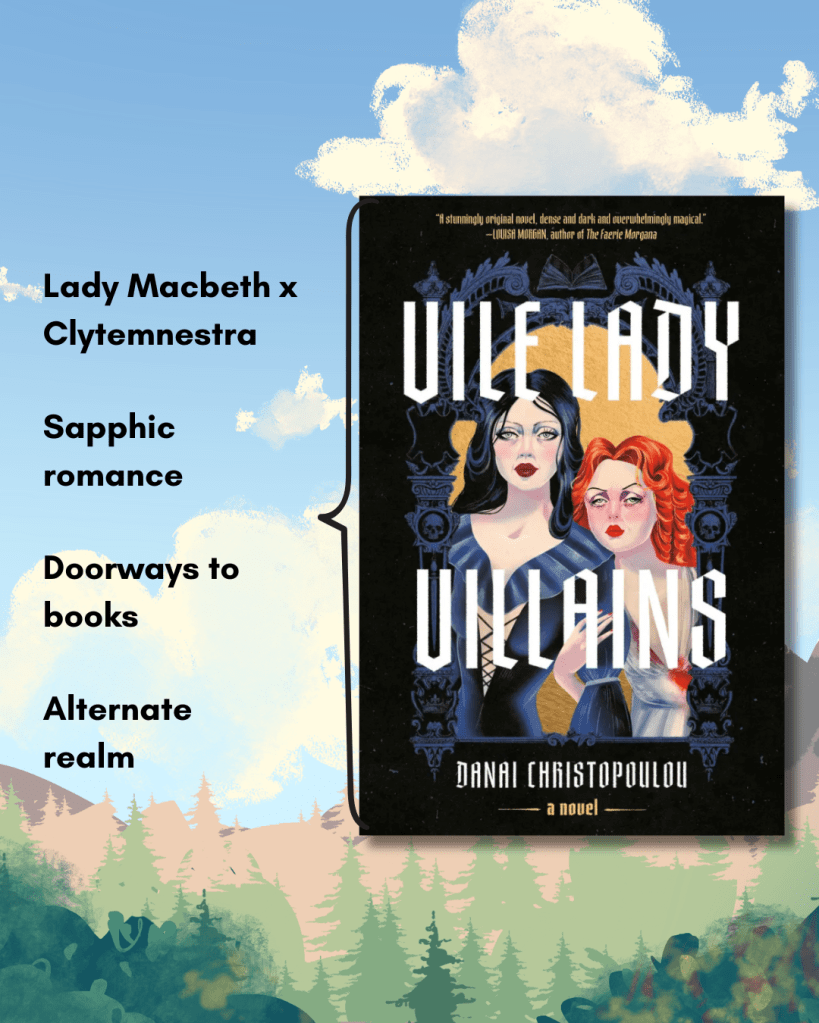
Vile Lady Villains by Danai Christopoulou (Penguin)
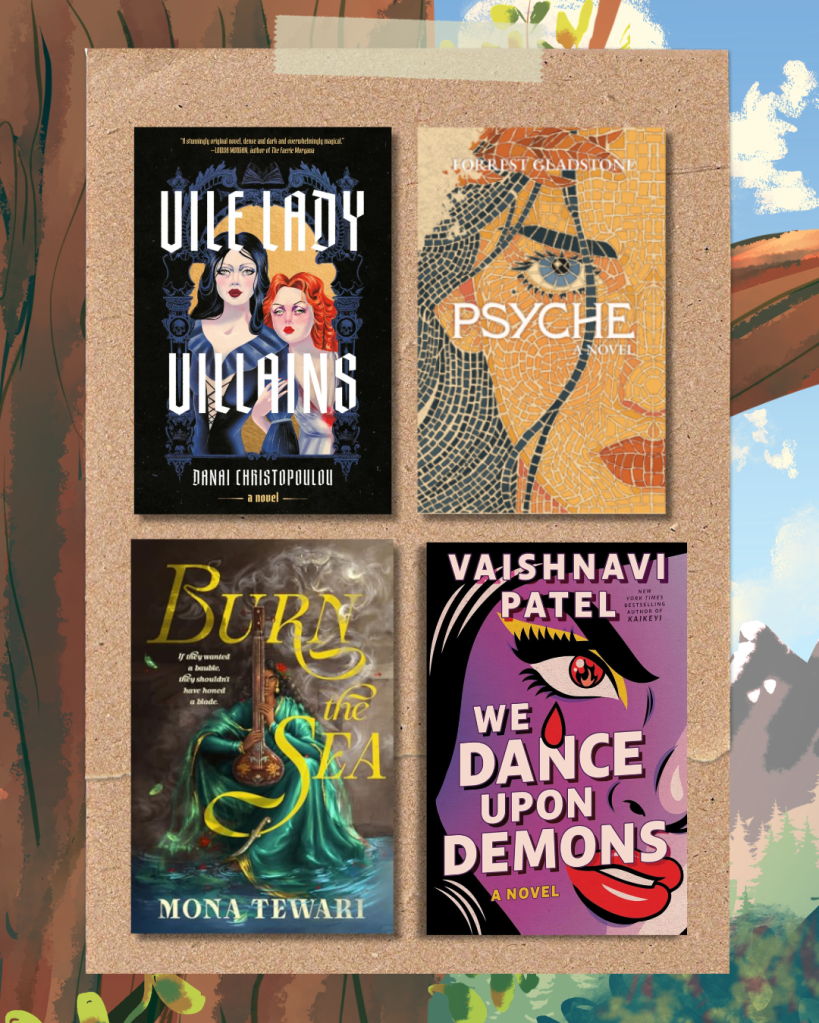
Burn the Sea by Mona Tewari (4/5)
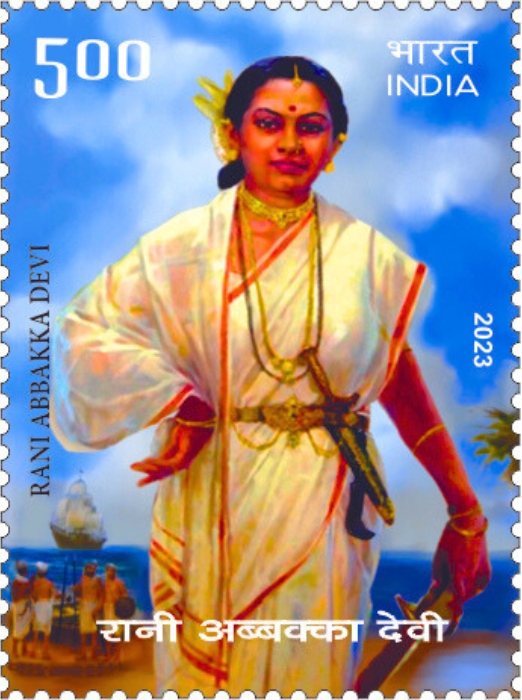
Mona Tewari’s “Burn the Sea” came out a few weeks ago and its a book that I’m still thinking about. Set in 1500’s South India following the Portuguese campaigns in the area, Tewari’s book is a historical-fantasy on Rani Abbakka Chowta’s fight to keep her kingdom free.
Facts behind the Fiction
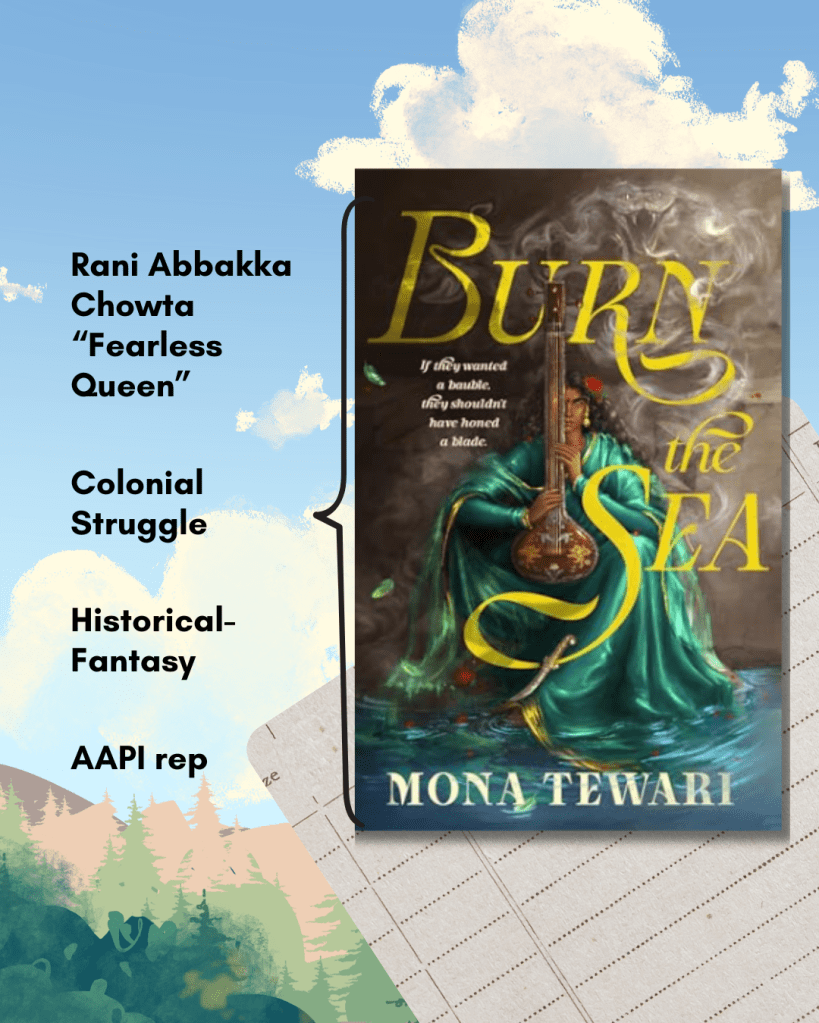
So who is Rani Abbakka Chowta? She was a real Tuluva Queen of Ullal who reigned from 1525-1570 and fought against the Portuguese colonizers. Tewari makes a conscious choice to “other” the Portuguese colonizers in a way that colonized people have been historically othered. In this case, the giant half-men, half snake creatures called the Porcugi represent the Portuguese who fought to colonize India.
Abbakka’s uncle, Thirumala (Uncle Trimulya), ruled prior to her and historically, it is referenced that she trained in both war and state-craft. She married Lakshmappa, but after being crowned in 1544, she stayed in Ullal. Her husband did not play a hand in helping Ullal fight against the Porteugese in 1556, 1558 or 1568 which could have been due to their own truce with the Portuguese. There is a reference to his nephew conspiring with the enemy to take over his uncles throne but that might be a storyline for the second book in the duology.
Abbakka’s allies included Bijapur Sultan and the Calicut Zamorin, however by 1570, Abbakka was captured, imprisoned and killed. Possibly another storyline to explore in book two!
What I liked
I loved Abbakka, especially early in the book and towards the end. I know the criticism of her characterization is centered around the idea that she plays into the “not like other girls” trope, but I didn’t find that to be the case at all. Her sister was prepared for statecraft and Abbakka was supposed to stay by her side as her protector, maybe her general one day. I also loved her connection to Matanta, the Guardian of the Adaiman.
What was meh
The plot twists were unfortunately obvious from the beginning. The way events unfolded made it clear who was the blame for what and the pieces were put together long before Abbakka did which made the middle of the book harder to get through. I wish she had paced it a little better since the middle felt long and slow compared to the beginning and the end.
What was…[Spoilers]
Fighting sea creatures with fire…as revolutionary as florals for spring, and yet it took them the entire book to figure out how to do it.
Image Government of India, licensed under the Government Open Data License – India (GODL) via Wikicommons.
Psyche by Forrest Gladstone (3/5)
Following the story of Psyche and Eros from Apuleius’ Metamorphoses, Gladstone throws her hat in the ring of Greek myth retellings. After Pscyhe of Crete garners one too many heretical comparisons to the Goddess of Beauty herself, Aphrodite / Venus decides to punish her by making her fall for the ugliest creature Eros can find. Unfortunately, Eros falls in love with the girl himself and spirits her away to a life of secrecy and (not so) wedded bliss.
Everything goes wrong when Psyche unmasks her husband’s identity one night and loses him and his trust. To get him back, she has to complete Venus’ trials and face the wrath of the other Gods.
Myth behind the Media
The tale of Cupid and Psyche is a story-within-a story from Apuleius’ Metamorphoses or The Golden Ass. In general, Gladstone’s retelling is faithful to the original for a lot of details except the background behind the sister’s relationship. In the original, it was envy that drove them to hate their younger sister for her fortunes and their misfortunes while Gladstone’s touches upon the jealousy but regards the sisters as well-intentioned. Also, when Psyche goes to them following her banishment, she exacts her revenge by telling her sisters the same thing:
The pain roused him from sleep and, seeing that I was armed with flame and steel, he cried: ‘For your wicked crime, you are banished from my bed, take what is yours and go. I shall embrace your sister now – he spoke your name formally – in holy matrimony.’ Then he ordered Zephyr to drive me from the palace.”
Then she watched as her sisters threw themselves off various cliffs in order to be carried off to meet Eros.
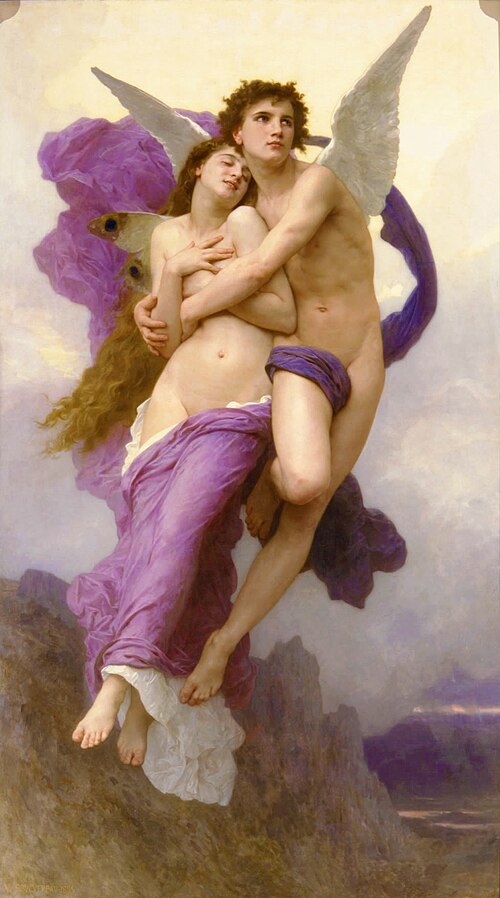
The Abduction of Psyche by William Adolphe Bouguereau William, Wikimedia Commons
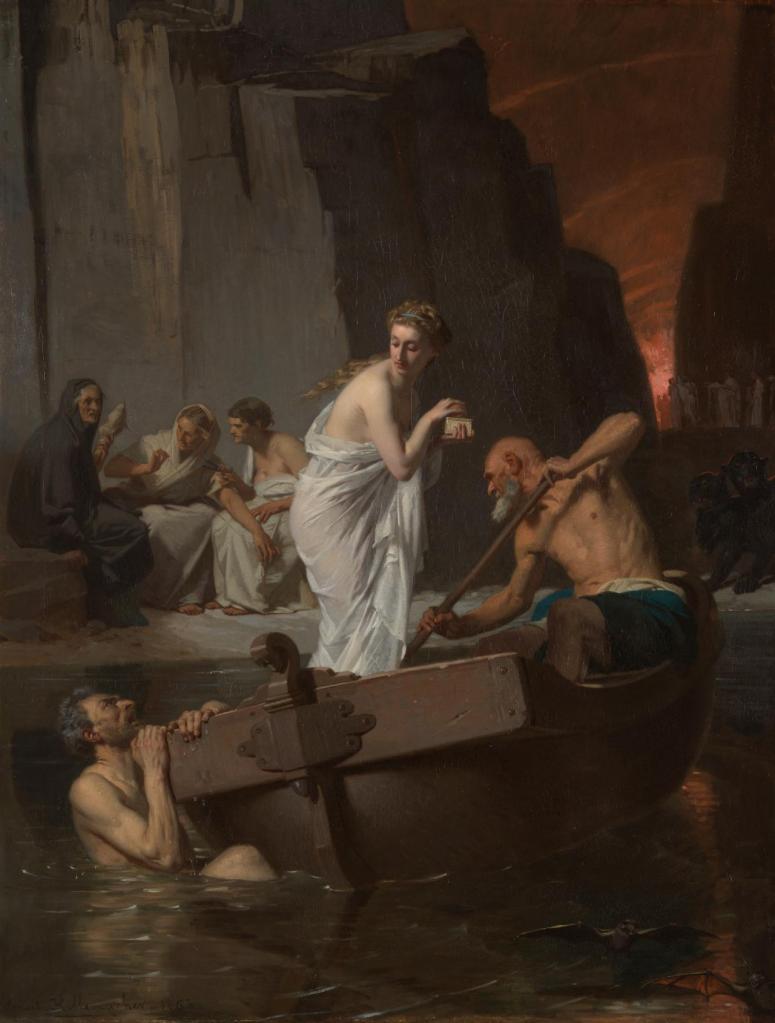
The labours of Psyche are also as written: sorting different grains throughout the night, collecting golden fleece from men-eating sheep, trekking up a serpent infested mountain to get Stygian waters and travelling to the Underworld for a jar of Persephone’s beauty. However, instead of divine help, Psyche actually received advice and help from creatures like the ants (out of their own free will), reeds by the river, a turret and Jupiter’s eagle who owed Cupid a favour.
The story also ends with Cupid pleading his case to Jupiter and then marrying Psyche after she is given ambrosia so that she is his equal. Naturally, there is no council meeting to question the Gods nor is there any additional information from Psyche or Cupid.
Overall, it was okay…
The idea was there but the worldbuilding and story felt all over the place for me. One big criticism was the story being about Psyche of Crete and taking place primarily in Greece, but the references to Rome and “updating” the Olympians.
Also sometimes it felt serious and mature, but others it felt almost juvenile with the way the Gods were portrayed. I liked that Gladstone explored the Gods in a way that clear held them to a different standard of being than mortals and yet there was something about their interactions and conversations that was off-putting and felt straight out of a Percy Jackson book. Mixed with the heavier themes of the book, it was a jarring contrast.
While the book did question a lot of concepts and themes from the original texts, it did not deliver on the feminine fury and rage I expected. It was clearly a choice to make the bond between sisters a focal point, however, I wonder if it detracts from her character to take away her violence and agency in that instance.
Psyche in the Underworld by Eugène-Ernest HILLEMACHER
We Dance upon Demons by Vaishnavi Patel (4/5)
We Dance Upon Demons follows Nisha who would do anything to protect her mother, her coworkers and the women’s health clinic she works at. Nisha shows an interesting perspective that isn’t often shown in fantasy-supernatural books, and that is of someone who is struggling to get out of bed but also struggling to fight demons.
The book has heavy commentary on abortion, the erosion of women’s rights in the United States and the relentless escalation of “anti-” groups who are dripping in so much hypocrisy that it could be bottled and sold.
Myth behind the Mayhem
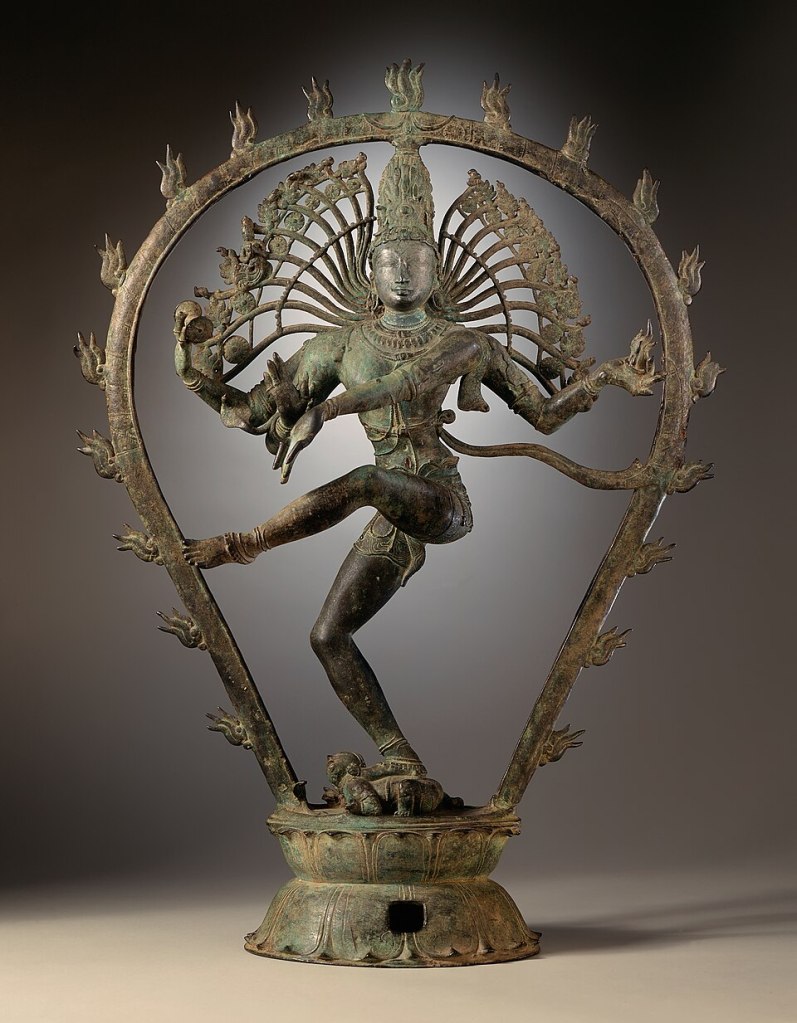
While the book is not a retelling or based on any one tale, the premise of the story is based on the Nataraja sculpture. Since ignorance can never be destroyed, only subdued, the god Shiva in the form of Nataraja, Lord of Dance, dances atop the demon Apasmara or Muyalagam indefinitely.
Muyalagam is the demon of ignorance and it is his powers that Nisha accidentally takes and later needs to learn to unlock through traditional dancing.
Overall, heavy but so necessary
Once Nisha starts connecting to her powers, she dances to unlock memories of previous generations of women who wielded it and the commentary continues throughout the years. I recently saw Vaishnavi Patel’s social media post on her showcasing the dances Nisha does and they do appear wholly powerful and entrancing. I loved that element of Nisha’s character arc. I also loved the running dialogue on the south asian community and not just the faults with it but also the strength in it. Even though the “aunties” and “uncles” are initially quite one-dimensional, it was nice to see them develop more throughout the book. Nisha’s mom was definitely a star.
However, there were moments where the story felt repetitive, flat and slow. There were some obvious plot points that, as a reader, seemed should have been resolved faster given the information we had.
Shiva as the Lord of Dance from Tamil Nadu, Wikimedia Commons
Vile Lady Villains by Danai Christopoulou
What would happen if Shakespeare’s Lady Macbeth and Clytemnestra entered a realm where they could travel to different places and meet different characters (including the bard himself) in their efforts to get home?
Well, the genre bending story was certainly a cool concept, however, this one fell completely flat for me. I did not enjoy the writing style, characters or story arc even if I loved the concept and the cover.
The biggest issue was that the characters felt completely one dimensional and awkward in their new setting. Lady Macbeth was not cunning or clever and Clytemnestra, a mother seeking revenge, turned into a knife wielding maniac. Unfortunately, this book felt something that might have been more at home in AO3 or FanFiction than traditional publishing.
The Tales behind the Tales
Lady Macbeth comes from Shakespeare’s tragedy “Macbeth” wherein Macbeth as spurned on by the three witches, his wife and his ambition, kills King Duncan of Scotland and takes the throne. Using her cunning, persuasion and emasculating rhetoric, Lady Macbeth plays a huge role in the tragic events of the story, however, her guilt catches up to her and she cannot bare blood-stains upon her soul.
Meanwhile, Clytemnestra comes from Greek storytelling traditions, especially in connection to the Trojan War. We covered her story in our series on the Trojan War so be sure to check that out for in depth analysis! The sister of Helen of Sparta and wife of Agamemnon of Mycenae, Clytemnestra’s revenge on her husband for the sacrifice of their daughter Iphigenia can be read about in:
- Aeschylus’ Oresteia
- Euripides’ Iphigenia at Aulis and Electra
- Sophocles’s Electra
- Homer’s Odyssey