
Yokai, Yocat!
Yokai are the backbone of Japan’s mythology and folklore scene. There are so many to choose from and many of the monsters have short folktales associated with them, so to help us choose we perused Thersa Matsuura’s book of Japanese Folklore and settled on a monster we know best- cats!
Over the years on this podcast, we have covered a few Japanese stories, including The Tongue-Cut Sparrow, The Tale of the Bamboo Cutter and The Tale of the Boneless Jellyfish, as well as referenced Japanese storytelling traditions and yokai whenever they were relevant to other tales we were telling. Today, we want to explore something very fun with references to The Book of Japanese Folklore by Thersa Matsuura, whom we also interviewed last year! To hear the full interview episode, click here!
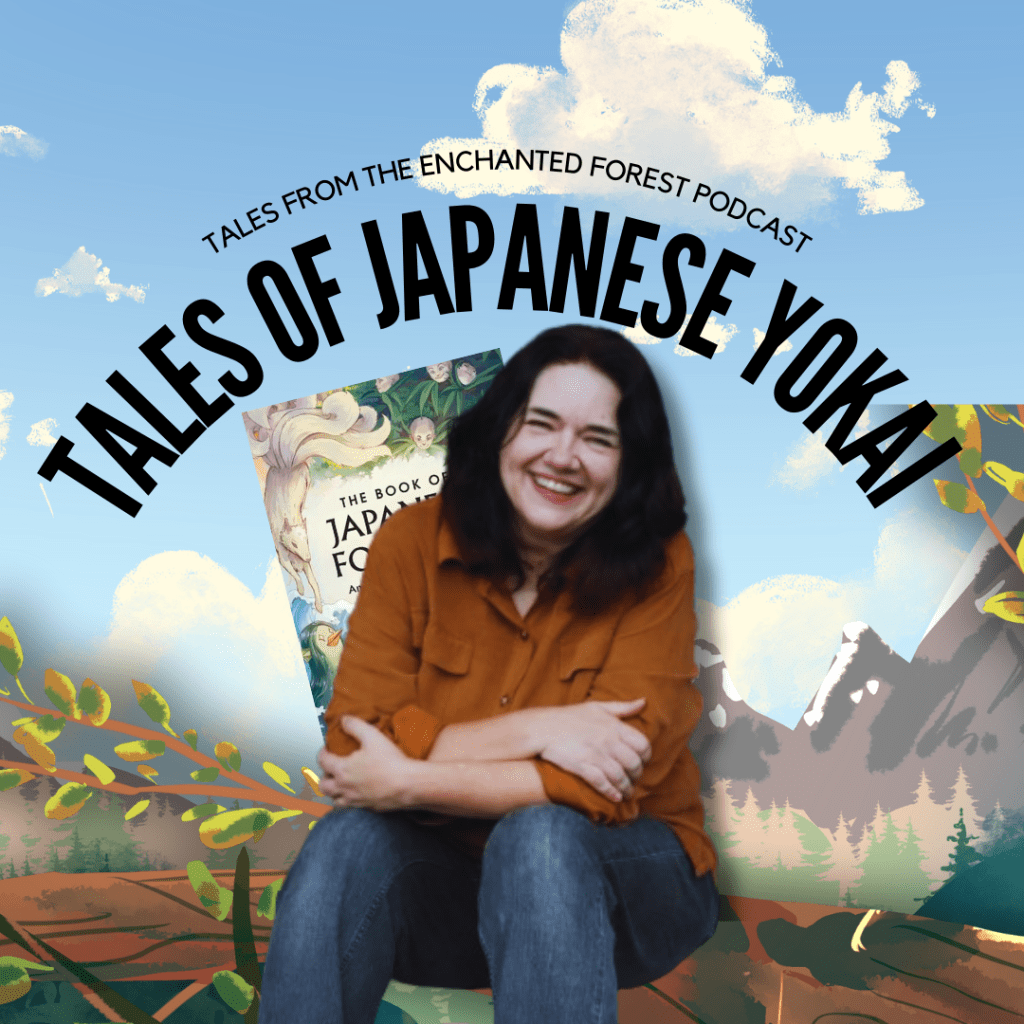
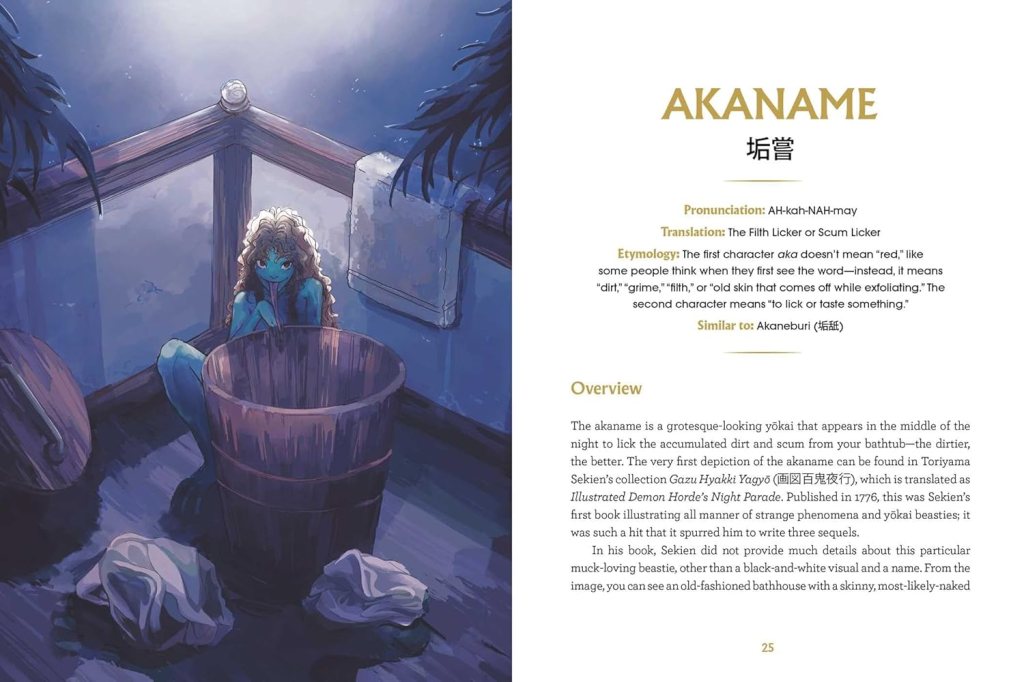
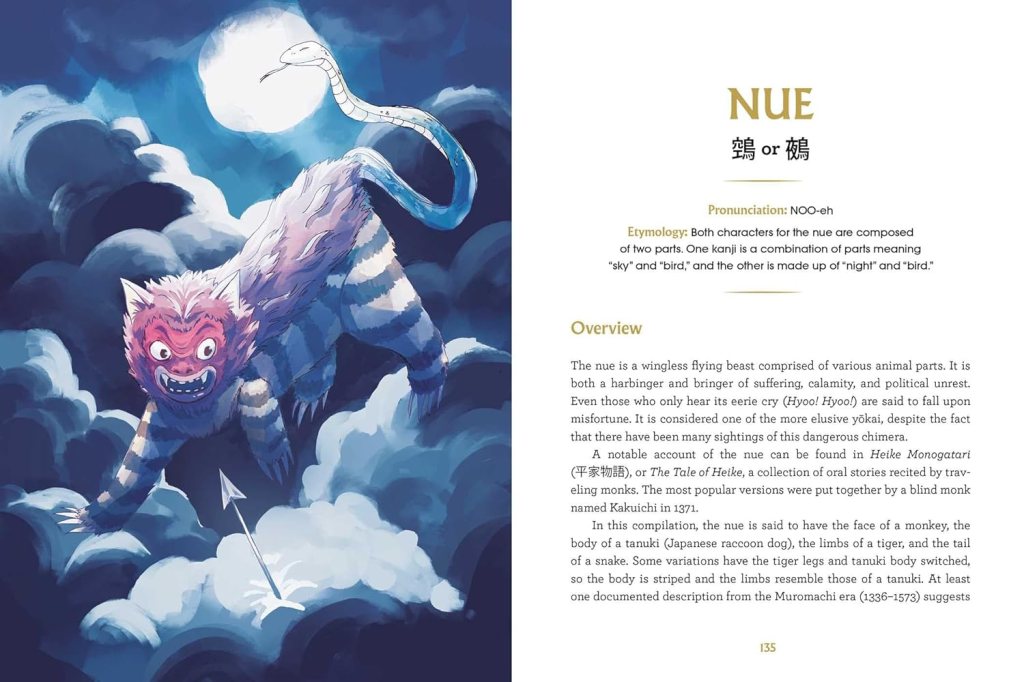
Thersa is the host of the Uncanny Japan podcast and the author of two fictional collections based on Japanese mythical realism. Her nonfiction book is a gorgeous encyclopedia that was sent to us by the publisher. It details 45 yokai, their stories, and backgrounds, with artwork by the incredible Michelle Wang.
Hosting Thersa last year was such a blast, so be sure to check out that episode where we discuss crows, her research process pre-internet, the origins of Yokai, culture shock and more!
Bakeneko and Nekomata
Knowing where to begin with yokai is hard since there are just so many of them, and I’m always amazed at how many characters or monsters are inspired by yokai in Japanese media. For example, Kapp’n from Animal Crossing is essentially a Kappa. Or how the Pokemon, Espeon and Meowstic, were heavily inspired by two cat yokai. We cant even get started on anime references or we will end up with multiple posts like our recent K-Pop Demon Hunters deep dive.
We ended up choosing these two yokai because we are both cat owners, so these yokai are especially close to our hearts! That’s right—today we’ll be discussing the Bakeneko and the Nekomata. The Bakeneko is known as the “monster cat” or “goblin cat,” and the Nekomata is the “fork-tailed cat”!
Origins of the Cat Yokai
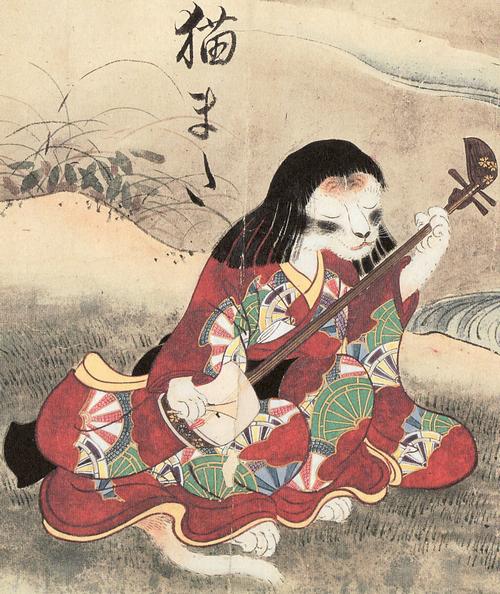
“Nekomata (猫また)” from the Hyakkai Zukan by Sawaki Suushi
These yokai probably first appeared in Japanese artwork around the early Heian era and in literature as early as the Kamakura period. Over time, stories of strange and suspicious cats evolved into tales of shapeshifting cats and dancing cats with nefarious tendencies after reaching a certain age! One possible reason for this is that cats are, well, very strange! Their eyes turn to slits, they don’t listen the same way dogs do, and they hunt (the first time my cat made her hunting jaw clicking noise was terrifying). Imagine watching a cat stretch up to lick an old Japanese lantern and then turn to look at you with shining eyes. You’d think you were looking at a yokai!
Throughout the Edo period, stories of yokai cats spread across Japan, leading to a phenomenon where families would decide how long to keep a cat before setting it loose. This was usually five to seven years, and it was done because it was believed that regular cats could turn into Nekomata after living for a long time. Bakeneko are a bit different—they were cats that died due to human cruelty and then came back to cause mischief and seek revenge. So, families would set a deadline for their cats to live with them to prevent the cat from eating them or cursing them.
The Curse of the Nabeshima Clan
One popular legend that evolved over time recounts how a ruler from the Nabeshima clan killed Ryūzōji (Reo-zji) after a game of Go. Ryūzōji’s mother was devastated and cried to her cat before committing suicide. The cat licked her blood and became a vengeful Bakeneko.
The yokai tormented the palace every night until the ruler’s retainer, Komori Hanzaemon, finally confronted the cat. This was after the Bakeneko killed and ate Komori’s mother and wife, then took their forms to curse the castle. Komori did eventually kill the Bakeneko.
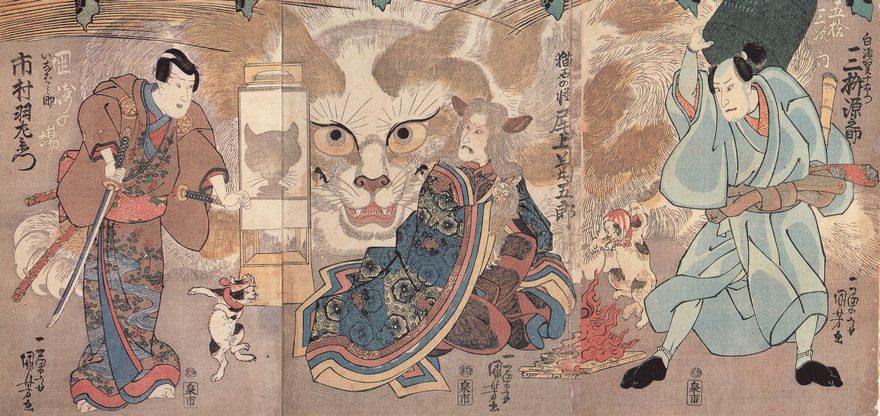
Ume no Haru Gojūsantsugi (駅) by Utagawa Kuniyoshi.
The legend was turned into plays, which became very popular, but Nabeshima Naotaka eventually filed a complaint to ban the performances. Since he was from the Nabeshima clan mentioned in the legend, it only fueled more speculation and gossip about the Bakeneko!
Want to find your own yokai but don’t know where to start? Well, Matthew Meyer has a fantastic randomizer on his website! Check it out here.


 Tales from the Enchanted Forest