
The Mythology and Monsters of K-Pop Demon Hunters
Welcome to Tales from the Box Office where Fox and Sparrow moonlight as TV and Movie reviewers who focus on the myths and monsters behind the fictional folklore fanfare! In this part, we will focus on the various monsters and their myths.
Sony Picture Animation’s K-Pop Demon Hunters has taken the world by storm! The movie was co-directed by Maggie Kang and Chris Appelhans and features a fictional K-Pop girl group called Huntr/x who sing to reinforce the Honmoon, a magical barrier protecting the world from demons.
In our last post we looked at the Huntr/x girls, Rumi, Mira and Zoey, as part of Korean Shamanism and history, especially with their weapons. In this part, we break down the monsters!
1. Dokkaebi or Goblin
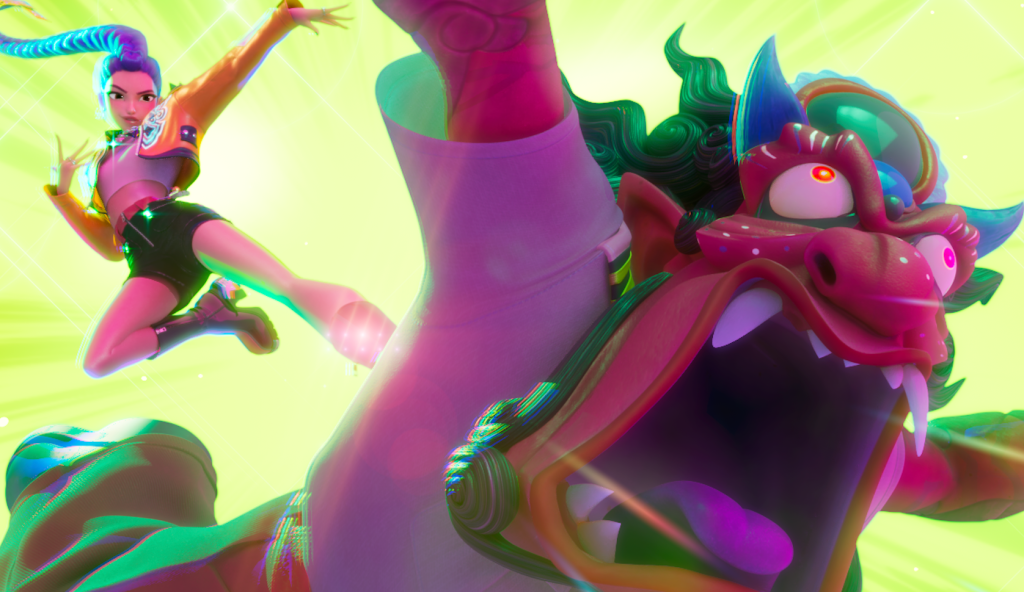
To start off with our demons, the majority of demons depicted in the movie were Korean Dokkaebi, mischievous goblins that are more akin to shapeshifting tricksters than demons from hell. Unlike Gwishin, which are spirits of humans, the Dokkaebi are closely tied to nature and discarded items.
2. Mul Gwishin or Water Ghost
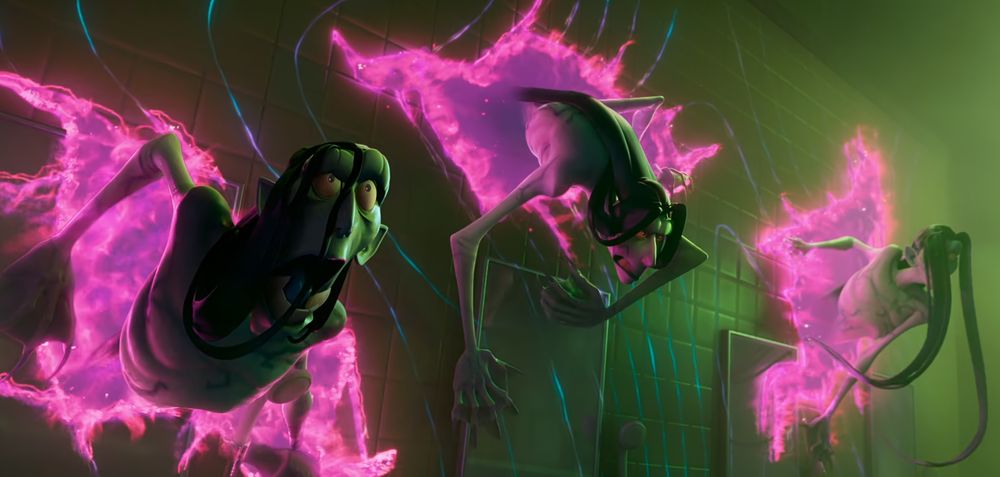
Another type of spirit in the movie was the Mul Gwishin, seen during the fight in the bathhouse where the Saja Boys summoned spirits from the baths. Unlike the Dokkaebi, who had characteristically bright faces, horns, and tusks, the spirits in the bathhouse had long, lanky hair, blue faces, and bodies. They were the restless spirits of people who had drowned near bodies of water and often killed by dragging you down with them.
3. Dalgyal Gwishin or Egg Ghost
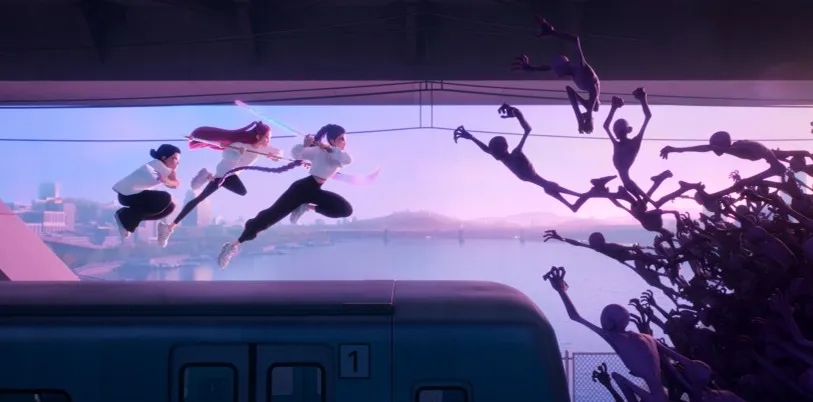
The faceless Gwishin that appear in the train scene have been called “Dalgyal Gwishin” or Egg Ghost. While they are sometimes characterize by their lack of limbs, more modern interpretations connect them to the “faceless ghost” trope. In some tales, these ghosts can also “don” other people’s faces over their stone mask.
4. Jeoseung Saja
Gwishin, in general, were the spirits of humans who were not able to cross over. This was what Jinu, the leader of the Saja Boys, was originally since he held regret and grief over his actions 400 years ago. However, given their name and outfit choice, the Saja Boys are more closely connected to the Jeoseung Saja.
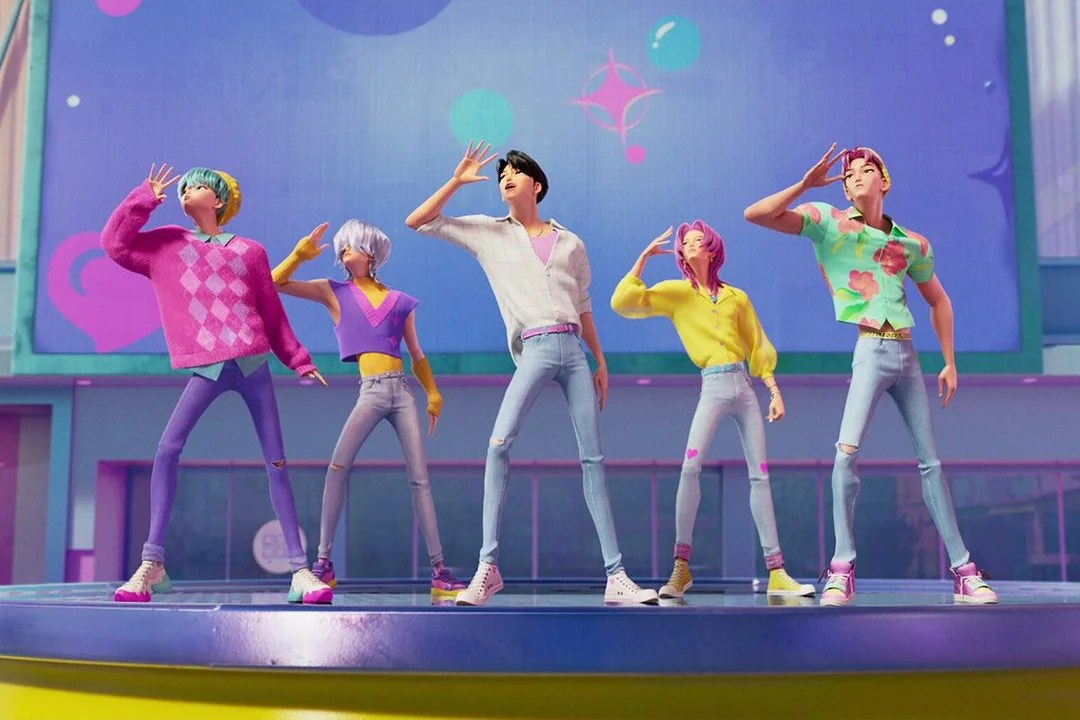

“The look of those boys in the Third Act reveal is based on the Jeoseung saja, the Grim Reaper Korean mythology…Because there’s such a great tradition in K-pop of groups changing looks and always in ways that are fashionable and awesome-looking, we started there. We then got to match that up with a bunch of Givenchy costume designs . . . and basically bring a fantastic K-pop aesthetic with that historical theme.”
Chris Appelhans in an Interview with Salon
The Jeoseung Saja are a soul-guiding type of figure similar to the Grim Reaper- except they don’t kill anyone, they simply guide good and bad souls to their destinations. The characteristic depiction of the Jeoseung Saja is the long black hanbok and the wide-brimmed hat known as the gat, which we saw Jinu wearing in his first scene.
For fans of K-Dramas, you might recall Lee-Dong Wook’s iconic reaper from “Goblin” or “Guardian: The Lonely and Great God.” The name Saja also means lion which is where the boys get their fandom name from: Pride.
5. Gwi Ma: The Soul Eating Big Bad
In the movie, the demons were ruled by the king, Gwi Ma, who demanded souls to feast on. While he was a purely fictional concept, Korean folklore did account for “corrupted” or “weak” souls. The word Ma could refer to demonic presences that corrupted the purity of a soul. In Jinu’s case, his shame and regret were what made his soul weak and kept him as a gwishin.
The role of shamans, as we touched on before, was to help purify and guide lost souls- sometimes even sealing evil forces away. So, while Gwi Ma might not be real, his personification of the forces that corrupted souls was grounded in real belief.
6. Fluffy and Sussy
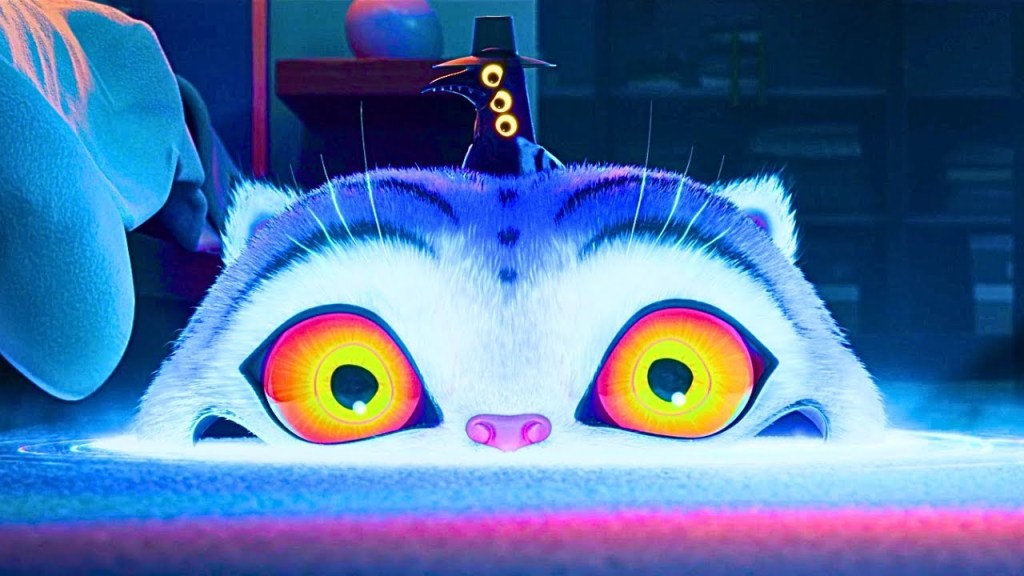
And no episode on folk influences in Kpop Demon hunters is complete without mentioning the iconic duo, the tiger and magpie! Story artist, Radford Sechrist, Maggie Kang’s husband and creator of Kipo and the Wonderbeasts, said the tiger and mapie were inspired by Minhwa, a Korean folk art style that was popular during the Chosun era. The tiger, magpie and pine tree often appear in the Hojak-do, a genre of the Minhwa paintings.
The tiger is a powerful symbol in Korea, but in the Minhwa paintings, it appears “derpy” and “idiotic” enough that the Magpie sitting above looks to be mocking the tiger.
Magpies are often a positive sign, usually of good news. However, the six-eyed Magpie does not have any immediate folklore influences but could loosely be based on the three-legged crow (Samjok-o) of Korean tales. The crow is considered to have great power as a representation of the Sun and in some cases is more highly regarded than dragons.
That brings us to a close on the Mythology and Monsters behind K-Pop Demon Hunters. If you want to read more about the demon-hunters then be sure to read our previous post: The Shamans and Swords of K-Pop Demon Hunters.



 Tales from the Enchanted Forest