Irish Fairies are a hot topic in the folklore world, so whether you are looking for a romanceable one or just a lovable sidekick, there are plenty of fair folk to choose from. A personal favourite of mine is the cleaning variety, but I might be biased since I’ve just finished the Emily Wilde series about Professor Wilde’s scholarly adventures as a dryadologist.
This story isn’t about the aloof and haughty fair folk, though we will hopefully cover them in detail later. Today, we have the trickster phantom fairy called the Puca or Pooka. These solitary creatures can take on many forms, like eagles as in the W.B Yeats poem or as donkeys, horses, cats and even humans. November is considered their sacred month, and in the story, ‘Mac-na-Michomhairle’, the Pooka would emerge from its hill to give sound advice and fortunes (only for events up until the next November). People would leave gifts until the coming of Patrick.
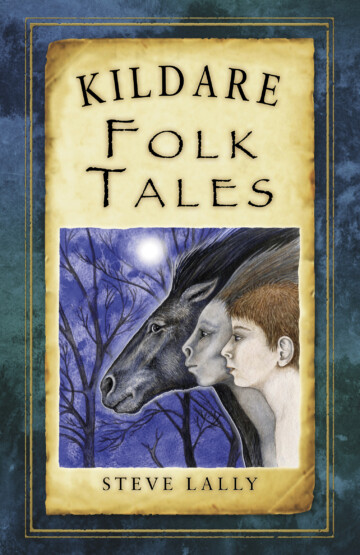
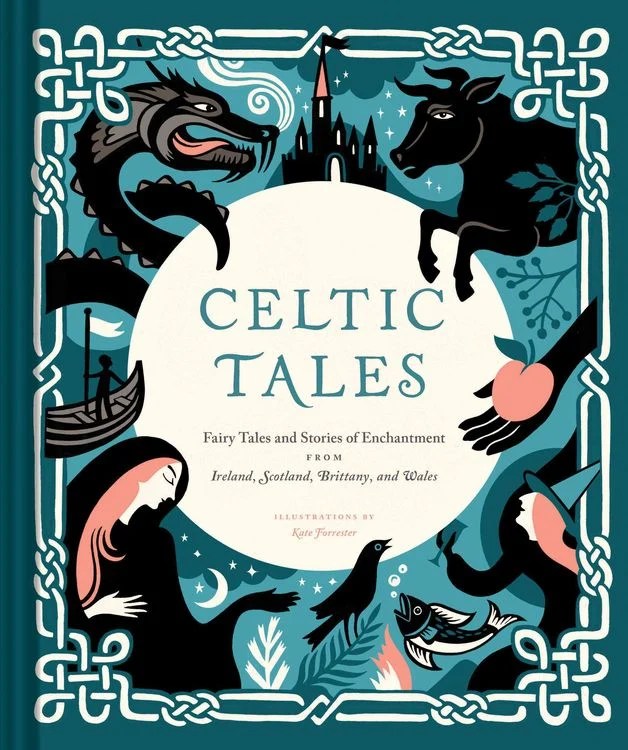
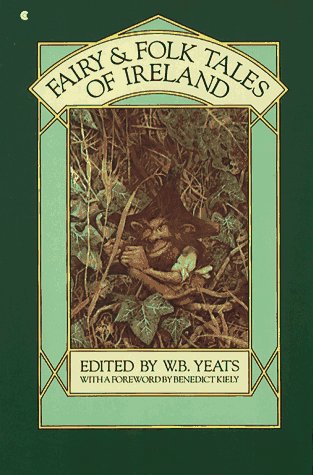
We sourced this tale from Legendary Fictions of the Irish Celts, first published in 1891 by Patrick Kennedy. The author was an Irish folklorist motivated to collect tales of his childhood because he feared they would be lost. For more Irish fey and folklore, check out Fairy and Folktales of the Irish Peasantry as selected by Yeats, Kildare Folk Tales by Storyteller Steve Lally and Celtic Tales as illustrated by Kate Forrester.
The Mansion in Kildare
Our story begins in a grand manor in county Kildare, Ireland. As grand as the manor was, its owner was rarely home to enjoy it since he often traveled abroad for his business. While the staff worked very hard to keep the manor tidy when the master was home, they didn’t always have the same drive when he was away. During those long stretches of time, some areas of the manor became neglected.
However, there was one area of the manor that rebelled against being left in such a state of chaos: the kitchen. Late at night, servants often heard unnerving sounds of scrubbing, fire pokers clattering, and the banging of dishware. Like clockwork, the next morning, the kitchen would be spotless. These strange occurrences continued for years, and the staff’s fear of what was happening grew to the point that none would enter the kitchen after the evening fire went out.
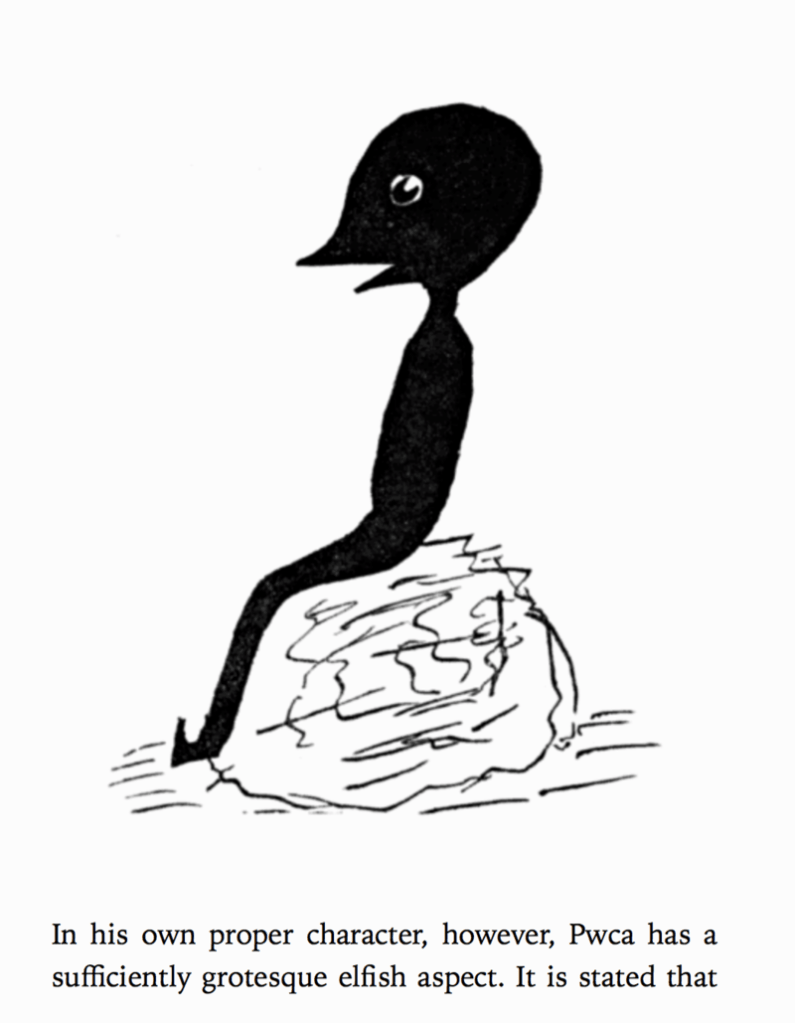
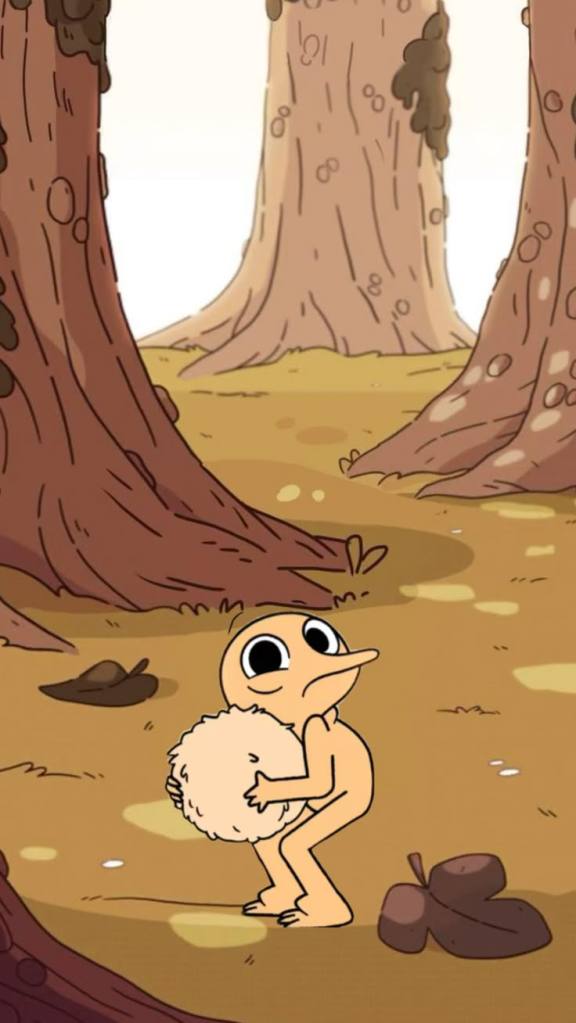
The Pwca from Wirt Sikes’ book British Goblins: Welsh Folk-lore, Fairy Mythology, Legends and Traditions, 1880 compared to the depiction of the Pooka from Luke Pearson’s “Hilda” as seen on Netflix.
The Cleaning Pooka Arrives
One merry evening, all the servants stayed up later than usual. They were all gathered around the kitchen fire, exchanging stories of fairies, ghosts and the like. They talked for so long that the little scullery boy curled up in the hearth and fell asleep. And there he remained, sound asleep, even as the others trailed off to their beds.
Eventually, the boy woke to the sound of the kitchen door opening. Startled with a sudden fear taking hold of him as he realized where he was, the boy tentatively peeked out from the hearth to see a donkey walking toward the dormant fire. Relieved that it was only a donkey, the boy yawned and stretched. He would return the animal to the barn and then head to bed.
His relief washed away when he heard the donkey say, “I may as well begin first at last.” The boy became white as a sheet, and his teeth began to chatter as he realized that this was no ordinary donkey but a Pooka. The boy thought of all the stories of ghosts and fairies he had heard only a short while ago and thought that if this was a Pooka, then it would surely eat him.
Fortunately for the boy, the Pooka appeared to have other matters to attend to. First, the Pooka lit the kitchen fire and then brought a large pot to the pump to fill it with water. Next, it moved the pot to the fire and began to boil the water. While it waited, the Pooka lay down next to the fire, very close to discovering the boy in his hiding spot. The boy held his breath, afraid that the creature would spot him. But the Pooka did not notice him, and once the water boiled, it stood up and got to work.
Every plate, bowl, cup, and piece of cutlery was tossed into the pot and meticulously cleaned. All the dishware was then dried and returned to the shelves in their proper places. Next, it grabbed the broom and swept away all the dirt. Finally, it turned to rake up the fire before leaving as nonchalantly as it had arrived.
The Big Kitchen Tidy
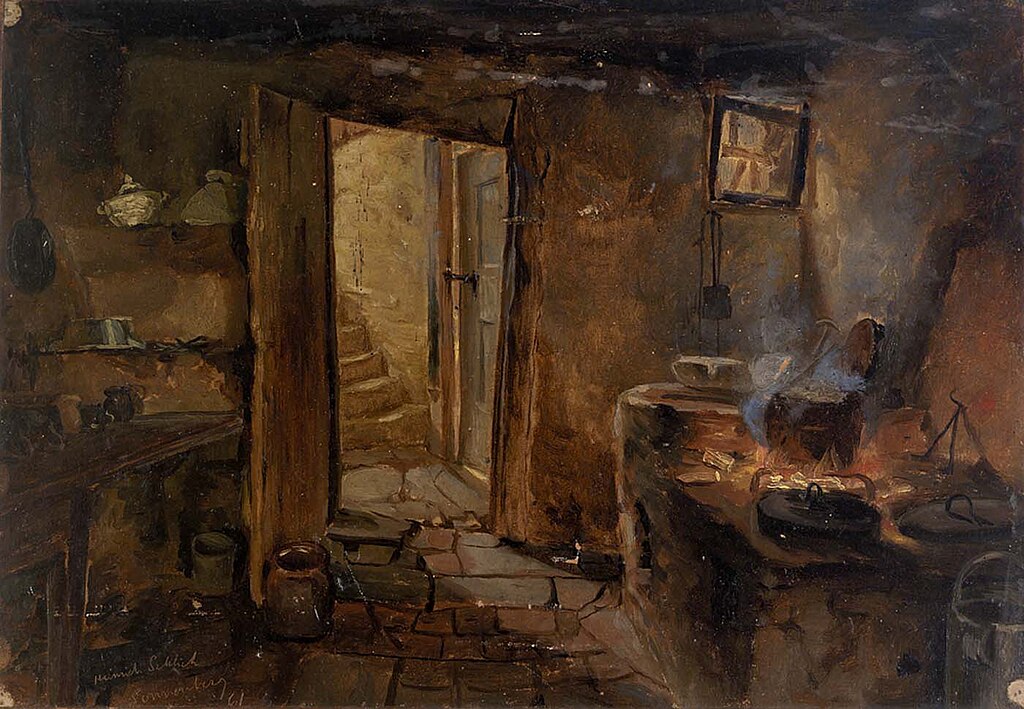
The following morning, a great commotion erupted when all the servants heard the scullery boy’s tale. For the entire day, they could talk of nothing else but the Pooka.
One lazy scullery girl chimed in and suggested that since the pooka cleaned everything anyway, why should they bother cleaning the kitchen at all? Everyone agreed with this sentiment. So that day, not a single dish was washed, not a single broom touched the floor, and the kitchen remained in complete disarray. The following morning, the servants found the kitchen clean as a whistle. They were relieved and thrilled, and they continued to enjoy this cleaning arrangement for some time. No one could remember why they had feared the nightly cleaner, anyway.
Sometime later, the boy, who had grown quite bold from his adventure and forgotten all his fear, declared that he would stay up that night and converse with the Pooka. So he sat by the fire, where he could be seen, and waited late into the night. Eventually, the kitchen door swung open, and the Pooka sauntered in. The boy hesitated for a moment before taking a deep breath and greeting the Pooka. It nodded toward him and returned his greeting.
The Pooka’s Tale
The boy politely asked the Pooka why it was so kind as to do half a day’s cleaning for them each night. The Pooka sighed and explained that he was once a servant for the current master’s father. However, he had been the laziest individual and never worked, even though he was fed and clothed. So when he passed away, he was punished to return to this very manor and labour every night before returning to sleep outside in the cold. He admitted that it wasn’t too bad in warmer months, but winter was very harsh, and he could hardly sleep when frigid winter storms blew through the night.
The boy felt deep sympathy for the poor Pooka and asked if there was anything he could do to help. The Pooka thought for a moment before saying that a good, quilted coat would help keep him warm on long, cold nights. It felt like a very reasonable request, and the boy certainly didn’t want to come across as ungrateful.
A Quilted Coat for the Pooka
So, the next night, the boy met with the Pooka again and presented him with a fine, warm horse’s coat. They worked together to get the coat properly adjusted. The Pooka was so delighted with the new coat that he walked up to some glass to see how it looked. After a minute, he said, “Well, I have a long journey ahead. I am very grateful to you and your fellow servants. Because of your kind gesture, I am happy at last. I wish you a good night.”
As he began to walk away, the boy called out, “Wait, why are you leaving so soon? What about all the cleaning that must be done?”
“Ah yes,” the Pooka said, “you must tell the other servants that it’s their turn now. My punishment was only to last until I was thought to be worthy of a reward for the way I had done my duty. Now that I have received my reward, I will not be returning, and you will see me no more.”
And true to the Pooka’s word, they never saw him again, and the servants had to return to cleaning the kitchen themselves.
As they tirelessly cleaned and scrubbed each day, they all wished they hadn’t been in such a hurry to reward that Pooka. To this day, cleaning the kitchen remains one of the most cursed household tasks.
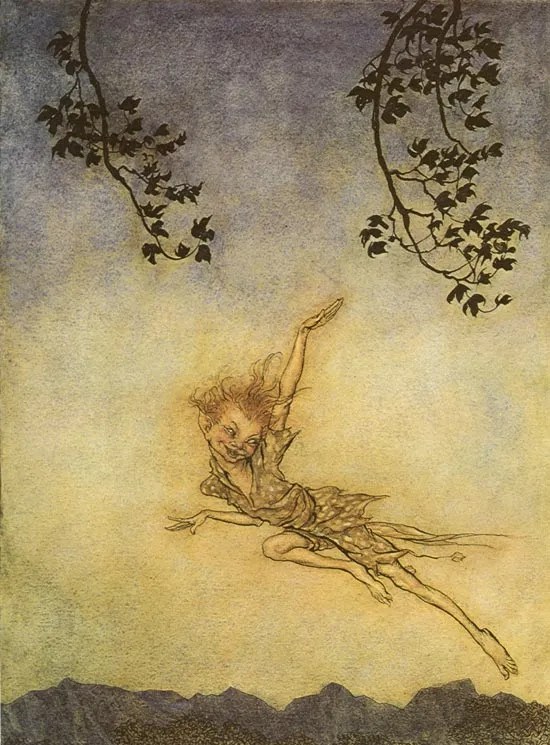
Shakespeare’s Puck is supposedly based on the mischievous Irish Pooka. Art by Arthur Rackman.