Tales from the Enchanted Forest
The Apothecary and the Mermaid
Charleston, 11 minute read
African-American folklore and fairytales are a unique branch of storytelling resulting from the wide-ranging black diaspora. Despite being rich in folklore, scholars of the period often ignored African-American storytelling traditions. One of today’s folklorists, John Bennett, wrote his collection to protect the oral storytelling tradition of the coastal black population, especially the Gullah, which he considered the true heart and soul of South Carolina’s literary tradition.
This episode was released last February to celebrate African-American storytelling traditions. For those of our listeners not from Canada or the United States, every February, we celebrate Black History Month with an emphasis in schools on learning about the slave trade, the Underground Railroad and the civil rights movement. Now, on this podcast, we aim to cover a wide variety of international stories, and while we’ve covered North American Native tales, this will be our first African American story. America is truly a mosaic of legends, fairy tales and folktales that are as rich and unique as the generations of immigrants that brought their cultures to the States.
African-American folklore and fairy tales are a unique branch of storytelling resulting from the wide-ranging black diaspora. Despite being rich in folklore, scholars of the period often ignored African-American storytelling traditions. One of today’s folklorists, John Bennett, wrote his collection to protect the oral storytelling tradition of the coastal black population, especially the Gullah, which he considered the true heart and soul of South Carolina’s literary tradition.
Bennett corroborated the story with a local black woman named Araminta Tucker, who said it rained for thirty days before the mob grew angry. His tale is called the “Apothecary and the Mermaid” from his book, “The Doctor to the Dead.” We have also used “The Mer-Woman Out of the Sea” from Virginia Hamilton’s “Her Stories.”
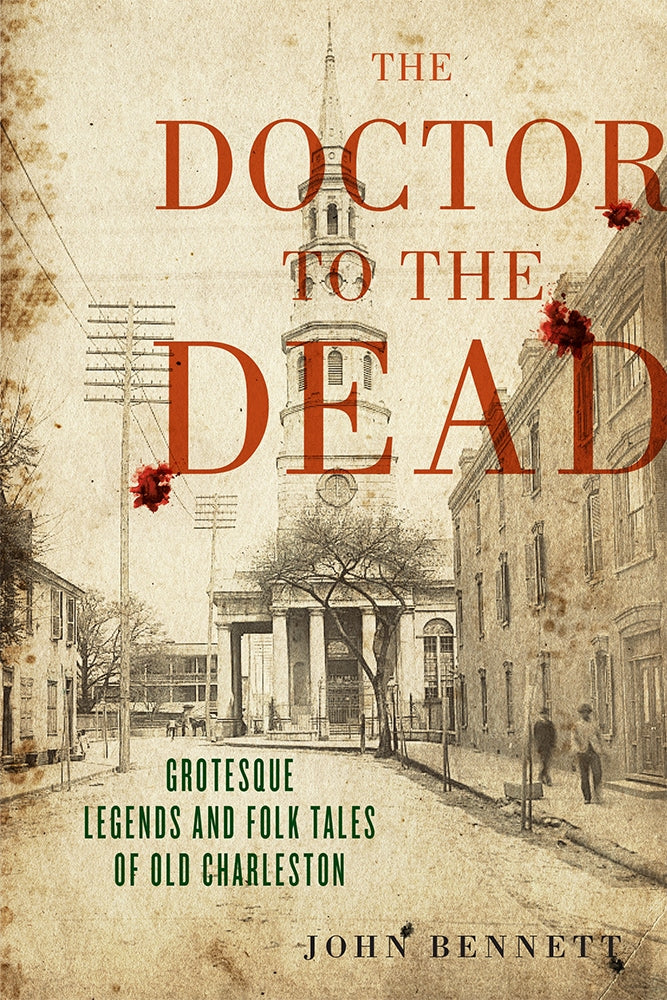
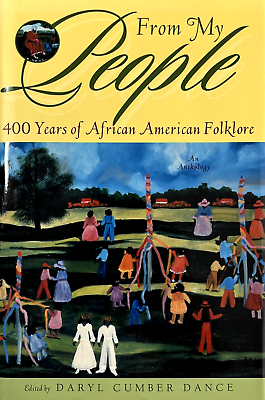
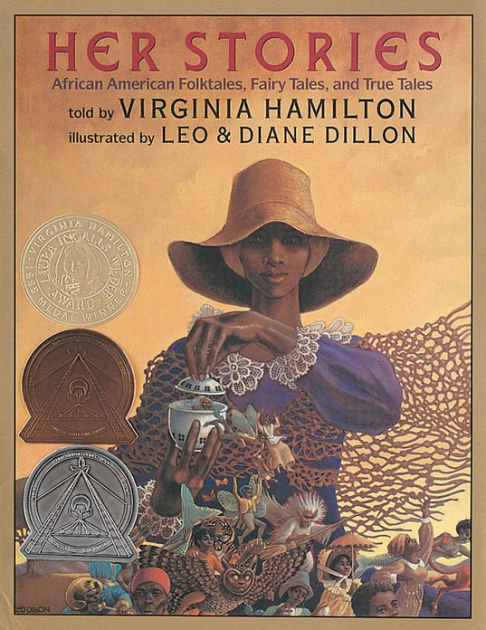
Martha Bennett Stiles, the granddaughter of Mr. Bennett, wrote to Virginia Hamilton to say that her retelling, as well as all the others, would have been of great satisfaction to John Bennett, as this was just what he collected stories for.
We have also consulted Daryl Cumber Dance’s “From my People: 400 years of African-American Folklore” for a deeper understanding of some motifs and tropes. Her work contains stories, superstitions, recipes, art, ballads, music, and so much more!
To read more about the Mer-Woman of Charleston as well as other folktales, please check out African-Atlantic Cultures and the South Carolina Lowcountry by Ras Michael Brown.
So dear Travelers, if it feels like it’s been raining for thirty days straight where you are from, then dive into the tale of “the Mer-Woman out of the Sea” or “The Mermaid and the Apothecary.” Listen below or on any podcast website!
The Rains Fell and Fell
On the 3rd of July, 1867, at about half past ten o’clock, an ominous black cloud appeared high in the sky and swelled like an angry giant. It covered everything before abruptly swirling down and settling over everyone. Then came the rain that created rivers over the roofs and down the chimneys, the lighting that streaked past the windows and the thunder that cracked violently in the silence.
It vanished almost as quickly as it had appeared, and everything soon went still except for the constant patter of rain. Days passed, and the relentless floods turned every road into marshland. Cockroaches emerged from the kitchen walls and stormed into the deluge. Four to five weeks passed in this manner and left everyone feeling perpetually on edge with the damp and stench of decay. They could not escape the cold and wet, even in their dreams.
They had all sensed something was amiss. They had all heard the tale. Rumours swirled that something drenched and cold had crawled out of the sea and made its way onto land.
The Merwoman and the Doctor
These rumors were spread by the wizened old women who sat on their porches. One day, the usual din and clamor of rain was interrupted by the screams of a hysterical woman.
The woman cried out, “There’s a merwoman amongst us! A mermaid! The water will claim us all unless she is put back to sea!”
Virginia Hamilton’s “Her Stories” with art by Leo and Diane Dillon from the following archive site.
That was the story they all believed, miserable as they were in their endless plight. It felt like the city and all its inhabitants would be drowned if nothing happened soon to free them from their misfortune.
It was also no surprise who had been the one to steal the mermaid. It was the doctor. Everyone knew him, but everyone stayed away from him because he was the doctor of dead things. You may think, why would dead things need a doctor?
The Real Mermaid Hoax of 1867
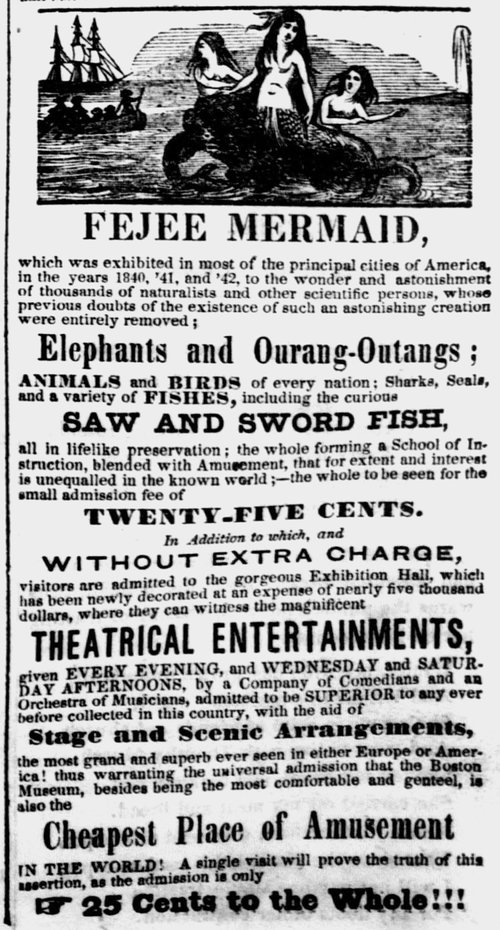
Well, to understand this, we must pause this tale and open up another. In the original collection written by John Bennett, the doctor was called Doctor Trott.
There are stories about a potential real Doctor Trott who created a mermaid hoax to try and win over black customers from the local Gullah Root Doctor. He took inspiration from P.T. Barnum and his FeeJee Mermaid hoax.
Eastern Times, Bath, Maine; October 10, 1850 for the Coney Island mermaid.
In a similar vein, Doctor Trott claimed he had caught a real mermaid but his plan backfired when a storm raged incessantly through Charleston, and a mob accused him of being the cause.
The Charleston Daily News reported on June 1867 that, “Day after day and night after night have the floods descended until patience has been exhausted and forbearance has ceased to be a virtue. The oldest inhabitant does not remember a more continued spell of wet weather.”
In Hamilton’s version of the story, the Doctor was nameless and simply referred to as the Doctor of Dead Things. As it so happens, Bennett collected a different tale called “The Doctor of the Dead,” about Dr. Henrich Ryngo. At first, Henrich was a fantastic doctor and surgeon, but he became preoccupied with death and how to comfort those in a miserable grave. One day, he discovered a graveyard full of the rising dead, and among them was a ghostly woman named Helen with whom he fell in love. He tried to bring her to life, but over time, she turned into mist and disappeared, leaving a grief-stricken Henrich obsessed with finding a way to save her. So, to answer your question, why would the dead need a Doctor? For faux or for folly.
Back to our Tale: Doctor of the Dead
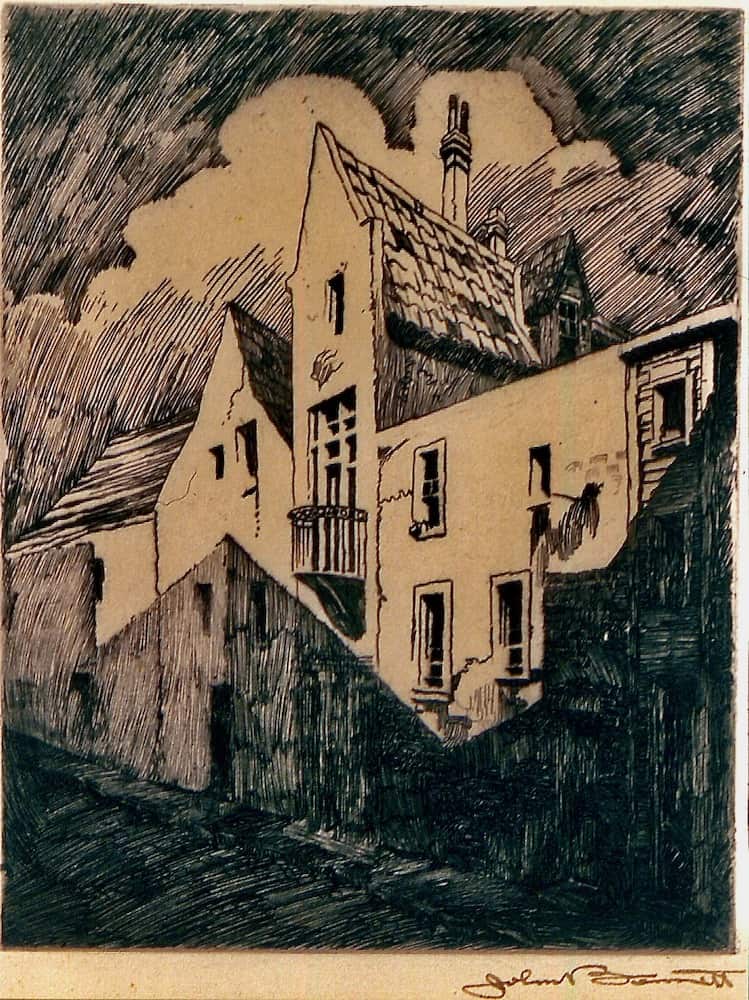
The Doctor of dead things was wildly unpopular among the folk who believed that the dead should stay dead and that the supernatural should not be trifled with. His assistant, Asa, was the one who spread the Doctor’s secrets around town. Among them was a detailed list of all the otherworldly things the doctor kept hidden in his basement.
The Doctor to the Dead by John Bennett
Some of them were half-alive, and amongst them, Asa claimed, the doctor kept the mermaid.
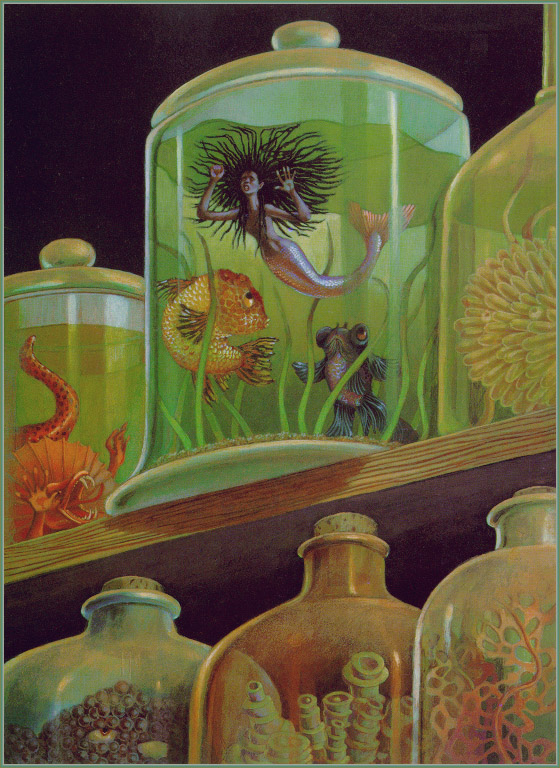
On the topmost shelf, in a bell jar, there was a gorgeous merwoman who had been shrunken down. The people crowded around Asa and asked if the creature was okay. After all, they did not want her to suffer and die. What calamity would befall them if this stolen creature of the sea were to die?
Sadly, Asa told them that the poor merwoman just floated around in soiled green water, with her long, stringy hair rising around her like tendrils of darkness and misery. Her little fists would bang against the sides of the bell jar while a tiny goldfish, her only companion, swam around and around her. Everyone believed Asa, but no one knew what to do.
The Floodgates of Anger Opened
One day, it seemed as if everyone got angry all at once. They were tired of it all—of rainwater emptying down their windows and fireplaces, of sitting in their chairs with water up to their knees. Finally, they raged, and from their rage came a great mob that waded to the Doctor’s shop. They picked up the muck that had piled on every sidewalk and threw it at his windows while they shouted and screamed until, finally, the Doctor came out.
“There’s no such thing!” He cried to the crowd. “There is no mermaid here or anywhere!”
“You lie!” one tall black man shouted.
The crowd demanded, “Bring us the mermaid! Let her out!”
The Doctor denied it all and claimed he could not even if he wanted to! His basement was flooded, and there was no way in or out! The crowd muttered amongst themselves when a very small, very brave man swam down through the basement window. He was gone a long time, then came the sound of something breaking. Next, putrid, slithering things swam out of the house, and slime began to coat the waters where the crowd stood. The small man emerged and cried breathlessly that he had seen her, a beautiful, pitiful thing.
Some men of the town got together then and broke down the door. They searched the shop- upstairs and downstairs. They found all the hidden places filled with horrible, half-living things, but they did not find any mermaids.
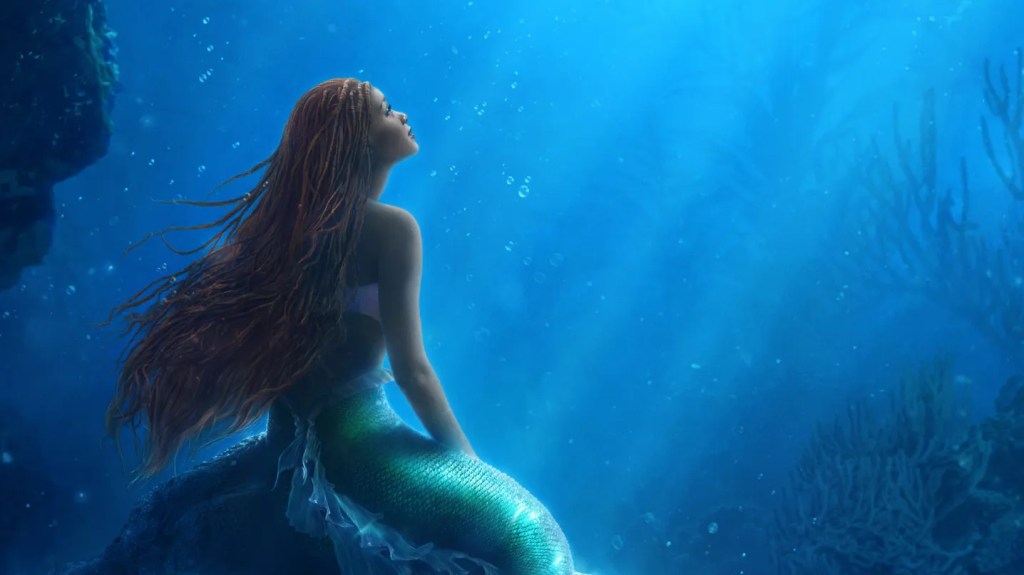
Image from Disney’s live action remake of “The Little Mermaid” featuring Halle Bailey (2023).
A tall white man said to them, “If you don’t leave at once, we’ll call out for the army to make you leave.” He spoke to them that way, to the people who had lived in this city all their lives.
She was Never Found
In the end, the merwoman was never found. Some of them wanted to speak to the tiny mermaid, to hold her in their palms and set her free. Maybe if the men had just reached up to the top shelf, in the shadows behind jars of things in the Doctor’s back room, they would have seen the mermaid swimming in her little jar. By then, she had shrunk to the size of a baby frog and had become so shriveled that no one could recognize her.
However, the rains did soon stop. Perhaps the bell jar was now big enough to suit the minuscule mermaid. Or perhaps the Doctor was so frightened by what he had done that he tossed her out the back where she floated down the flooded streets. She had been taken from her home, and perhaps, the people hoped, she had returned to it.
The people knew she caused the rains but didn’t blame her. They blamed the Doctor, but what had been was gone once the rain ended.
For weeks, the people washed down the walls and scrubbed and swept out their streets. They tried hard to remove the fishy odors, but sometimes, on a particularly hot day, you can still smell a slight tang of the sea on a stoop or a hallway.
The Doctor also closed down his shop and moved away. Maybe he died, but no one can say. Still, we all know that men live and then they die. All the time. And maybe the merwoman and mermaids, do as well.
Further Reading
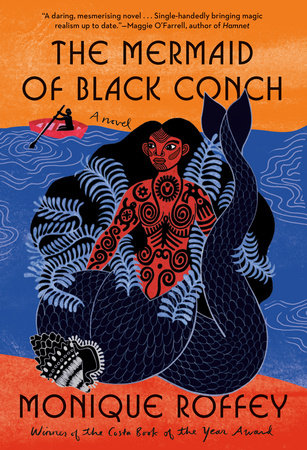
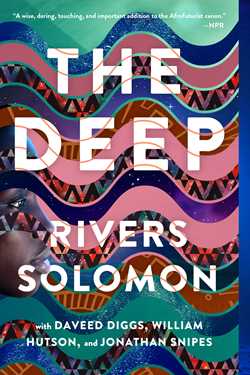
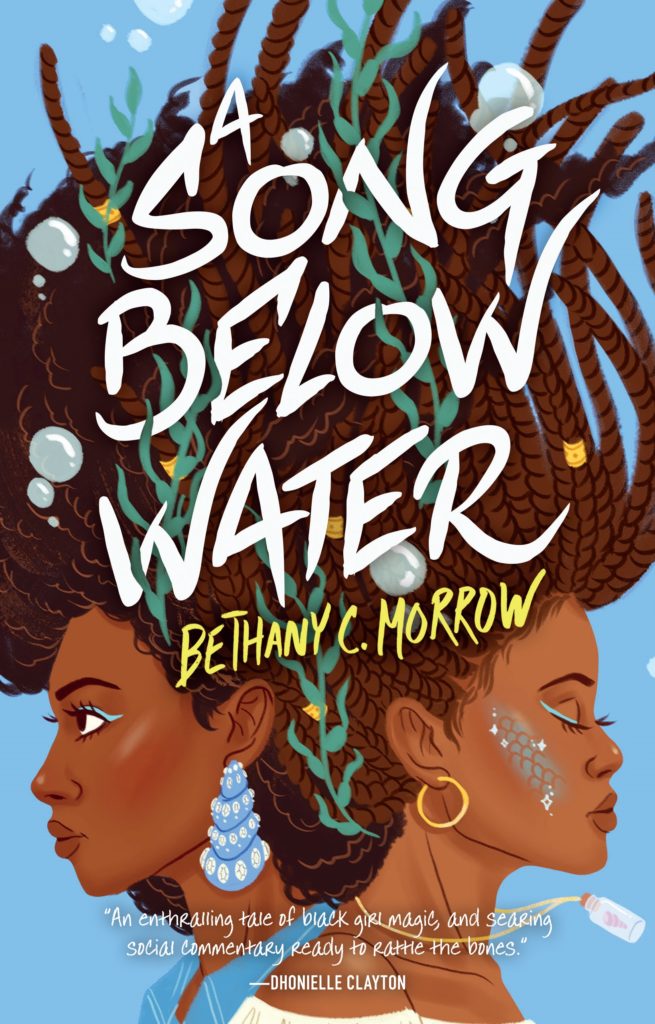
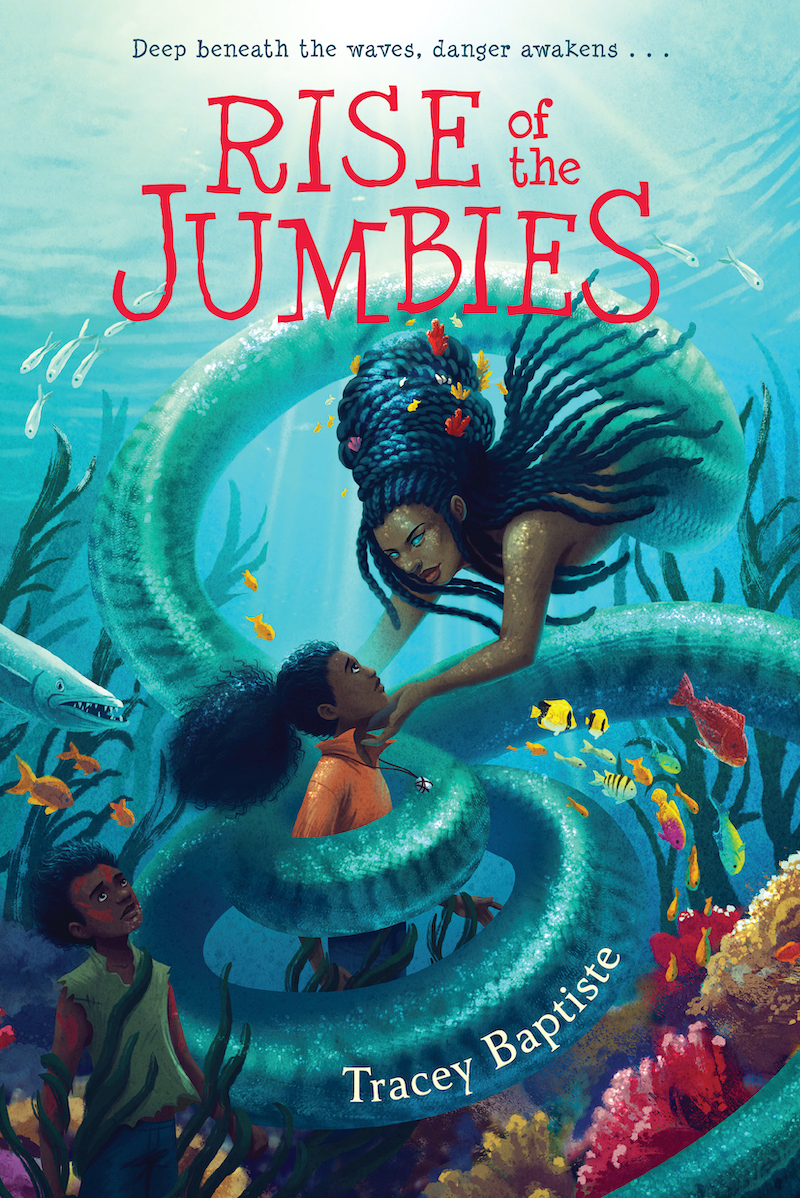
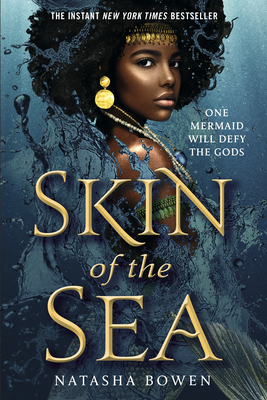
- The Mermaid of Black Conch by Monique Roffey
- The Deep by Rivers Solomon
- A Song Below Water by Bethany C. Morrow
- Rise of the Jumbies by Tracey Baptiste
- Skin of the Sea by Natasha Bowen
The approximate location of this tale was the coastal area around Charleston in South Carolina. Black seagoing families had to deal with the wild weather and strange debris that washed ashore, which is why a lot of nature-themed folklore popped up in these areas. The theme of the mermaid being taken from her home and the power the white men in the story have over the others can be seen as threads linking folklore and storytelling to black American history. Namely slavery, racial segregation and the lasting impact on communities and culture.
Virginia Hamilton details two different mermaid stories in her collection, highlighting the fact that there are a number of these tales, probably originating from the mixed-race communities of the Cape Verde Islands off the African Coast, Black Portuguese seafarers, as well as traditional African tales. The other one in this collection is the tragic tale of “Mary Belle and the Mermaid.”