
Tales from the Enchanted Forest
The Greek Myths are an interesting web woven from characters with intermingled fates, recurring archetypes and motifs. Find out how the Caledonian Boar Hunt relates to not just Atalanta but Heracles, the Argonauts and Prince Meleager.
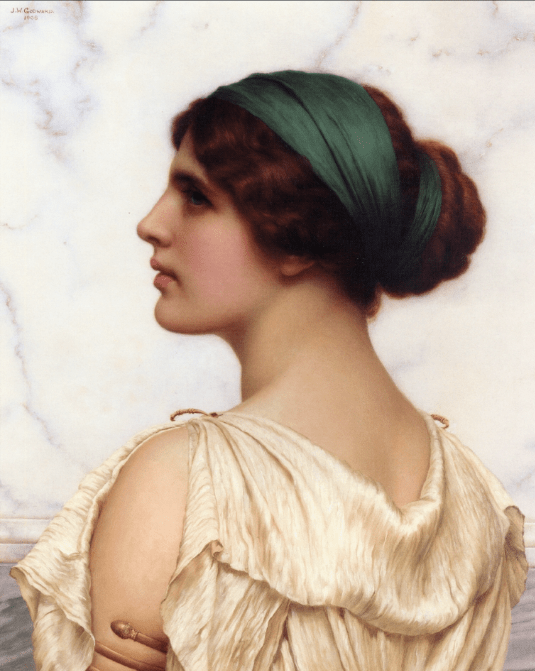
Image by John William Godward
There are a plethora of Greek Myth retellings stocked in every bookstore, and I could not be more excited. As an early Myth-o-Mania and Percy Jackson fan, I have always been fascinated with the myths, so when deciding what story to cover for the podcast, I turned to my new Stephen Fry audiobooks and old Robert Graves’ collection.
I will admit: the story of Atalanta has grown in my mind over the years as a myth greater than what it was, but that does not mean the story is any less worthy of being told. I was pleasantly surprised to find and unravel all the various side myths throughout this story.
Before the MCU-style hero crossover of the Trojan War, there were the Argonauts and the Caledonian Boar hunt to bring all our favourite Grecian families together. For original references, use our two favourite sources: ToposText and Theoi.
It’s all Greek to Me
To tell this tale, we often start with the Hero, Atalanta. She was the daughter of an Arcadian King that cared little for female children who could neither give him glory nor be his heir.
Her mother was Clymene, and her father was either Iasus or Schoeneus depending on if you are reading Ovid or Apollodorus (sources at the end of the article).
When the Queen gave birth to their firstborn, a daughter, he had a guard abandon the infant on a mountain (Mount Parthenion). She was sure to die had not a she-bear come across the screaming, crying child. Luckily, the she-bear took the baby in and raised her as one of its cubs.
So, the child grew up in the wild. She lived amongst the creatures of the forests and mountains until a group of hunters discovered her and took her in.
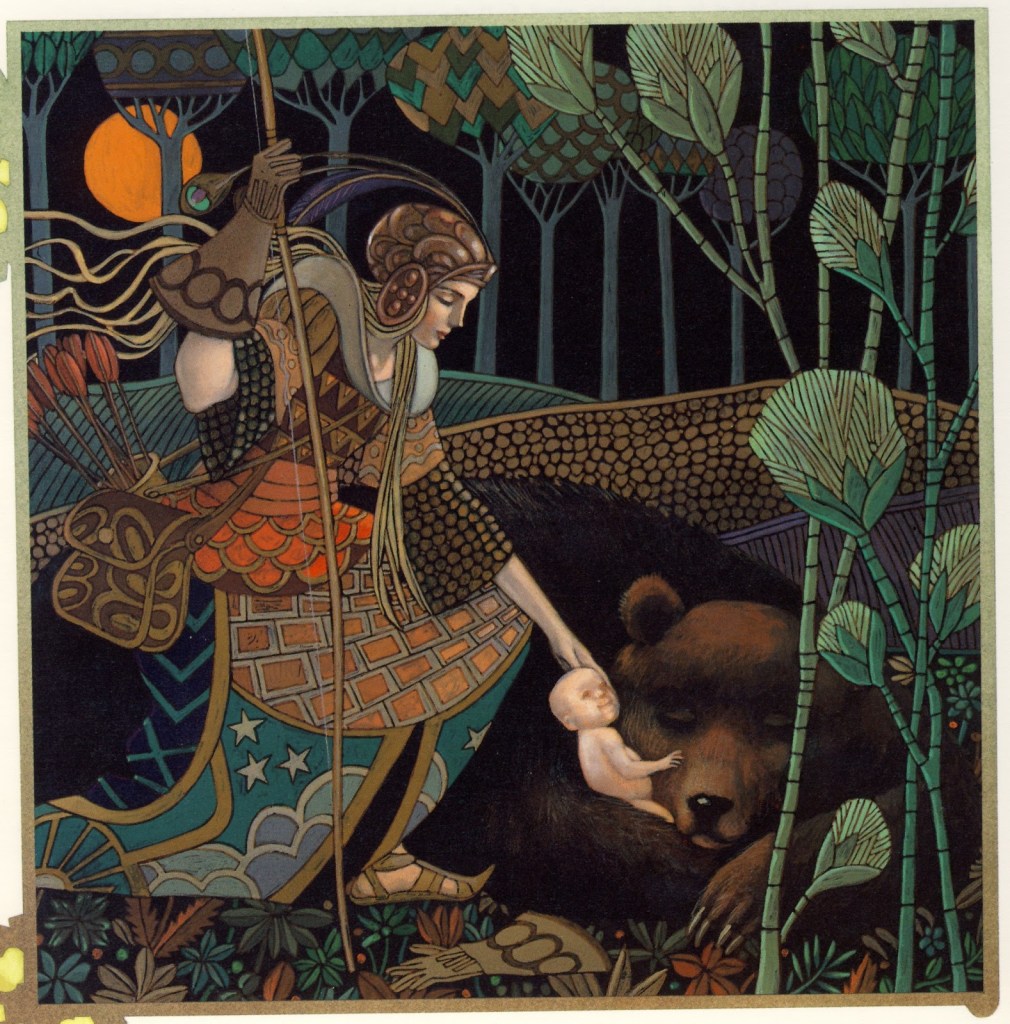
They named her Atalanta, meaning “equal in weight,” which potentially references her being equal to the men.
Illustration by Leo and Diane Dillon’s “Race of the Golden Apples.”
With their help, Atalanta learned how to use all sorts of weapons and quickly became devoted to the goddess of the hunt, Artemis. The timeline is murky here, but in some texts, Atalanta was one of the Argonauts who went with Jason to retrieve the Golden Fleece. In other sources, he refuses to let her board. She also fought off two centaurs and won a wrestling match against King Peleus, the father of Achilles.
Artemis’ Divine Punishment
However, what she is best known for is the Caledonian Boar Hunt. Artemis had sent a monstrous boar to Calydon as a punishment. What- you may be asking- was done to offend the great goddess of the moon and hunt? The people had grown lax in their prayers and sacrifices to her.
The King, Oeneus, was the biggest culprit, and in his overzealous worship of Dionysis over the other Olympians, he had forgotten to pay tribute to Artemis. So he sent word to the best hunters that there would be a grand hunt. Anyone who conquered the boar would have the right to its rewards and be known as the greatest hero of their age. Many hunters and heroes arrived to partake, including Jason, Castor, Pollux, Nestor, Theseus and Oeneus’ son, Prince Meleager.
Meleager and Althea’s Fate
A side note here about Meleager that will be important later is that he was either the son of the King or of Ares, the God of War. His mother was Althaea, whose famous sister, Leda, was seduced by Zeus as a swan. Sleeping with Gods must run in the family because Althaea also had relations with Dionysus and Poseidon.
After a long labour, Althaea fell into a deep sleep. During this time, the fates came to read Meleager’s destiny. They crooned that his life would end when the centre log in the fire burned up. Althaea woke up in shock and quickly took the log out of the fire and hid it away. That leaves us with a nearly invincible hero to take on the Boar.
But First…We Feast!
When Atalanta arrived, it was love at first sight for Meleager (who already had a wife named Cleopatra). While his uncles laughed and jeered, Meleager saw no harm in letting this beautiful woman fight alongside them. It just meant more time for him to seduce her.
With much disagreement, the hunters enjoyed nine days of revelry and feasting before taking on the Boar. The plan was to encircle the Boar with noise and draw it into the centre, where they would have a good chance of attacking it.
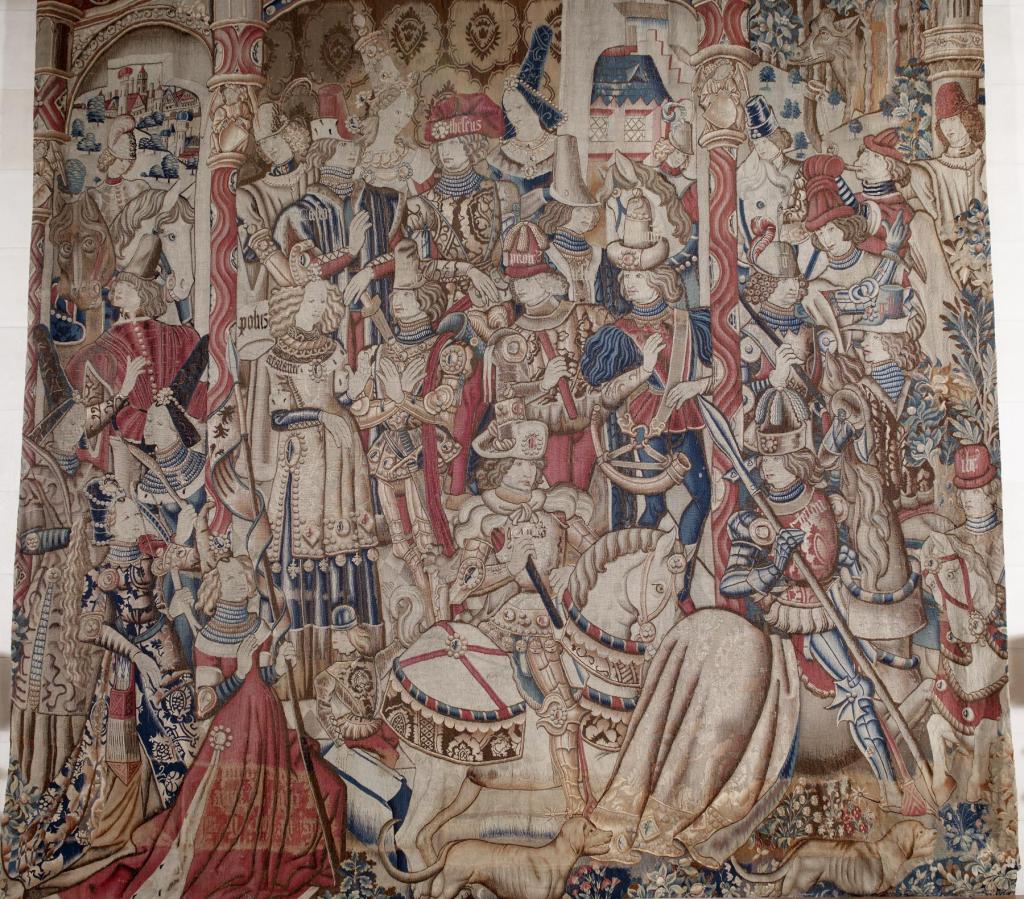
This Flemish Tapestry, housed in the Walter Art Museum, depicts Meleager (on horseback) and Atalanta (in front of the left column)
The Hunt Begins
They were not ready for the massacre that followed. The Boar cleaved men and tore them apart.
The first to strike was Atalanta, and somehow, her attack with her bow ignited a fire in the men who did not want to be outdone by a woman. Meleager cried for the men to give honour to the courage of the maid, and he charged with his spear. His first attack missed, but he attacked again, and this time, he managed to pierce the middle of the monster’s back.
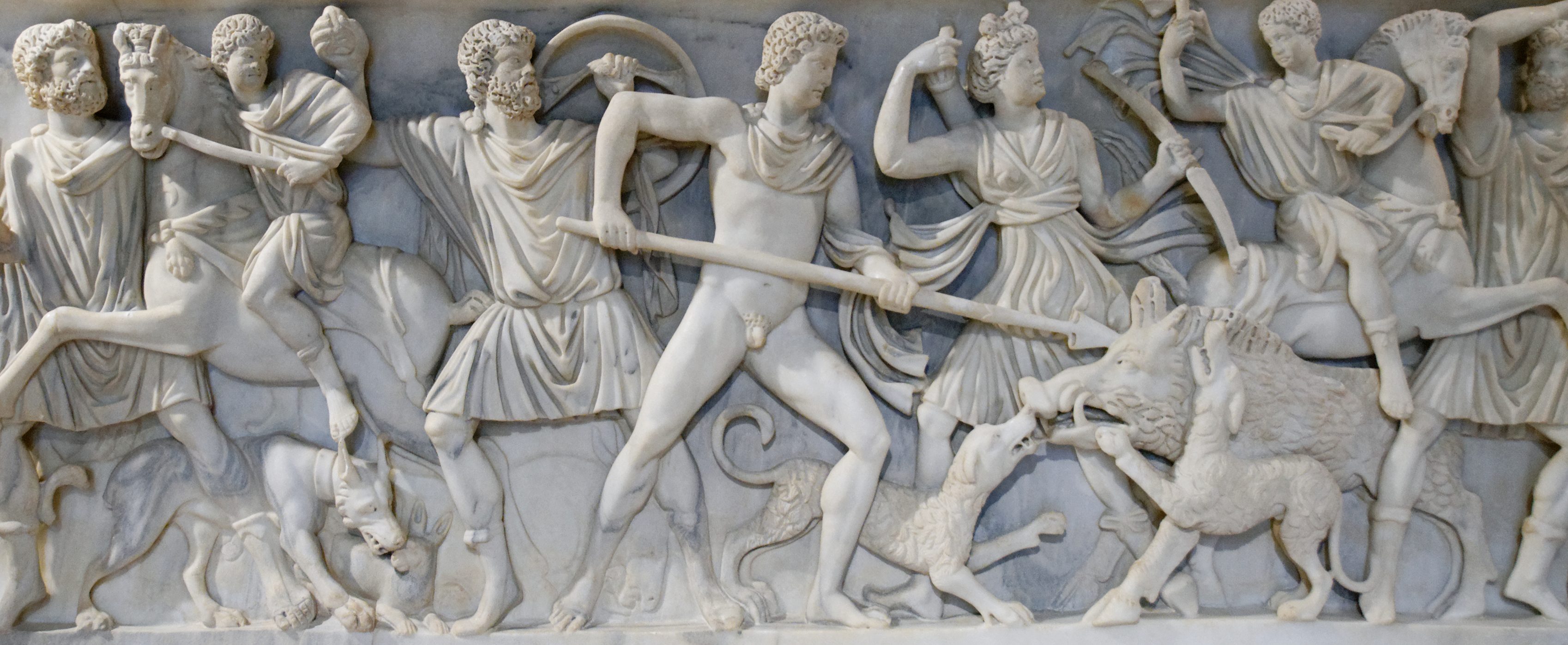
Proconnesian marble, Roman artwork from Vicovaro, 1872. Photograph by Marie-Lan Nguyen.
The Spoils of War
A thunderous cry rang out from the men, but Meleager did not care. He turned to Atalanta and declared that the spoils of his hunt would be hers. While she accepted gracefully, his uncles fumed with jealousy. They pushed past Atalanta and began carving out the tusks for themselves. Overcome with fury, the indignant Prince attacked his uncles, stabbing them in the breast.
At this moment, the crowds had poured into the clearing to cheer on the heroes. Among them was Queen Althaea, and when she saw her brothers’ bodies strewn around her furious son, she ran back to the castle in a mad rage.
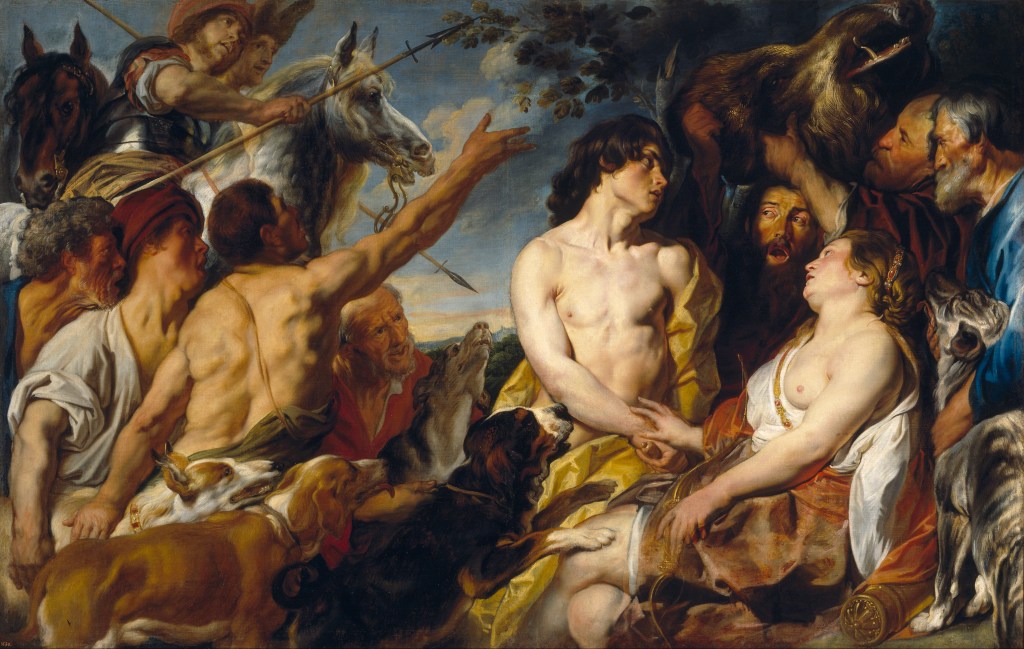
Meleager and Atalanta by Jacob Jordaens from the Museo Nacional del Prado.
Althaea’s Fate
In the basement, she found the log which the Moari had connected to her son’s life all those years ago. In her fit of fury, she seized it and threw it into the raging fire. However, as soon as she did, she regretted her actions.
She wondered then why the Maori had said the prophecy out loud. Was it for this exact purpose? Was her fate to kill her son?
The Queen ran back out, but even from a distance, she could hear the terrible cries of the Prince as he burned in an invisible fire. Unable to bear it, she ran into the woods where the men found her body later.
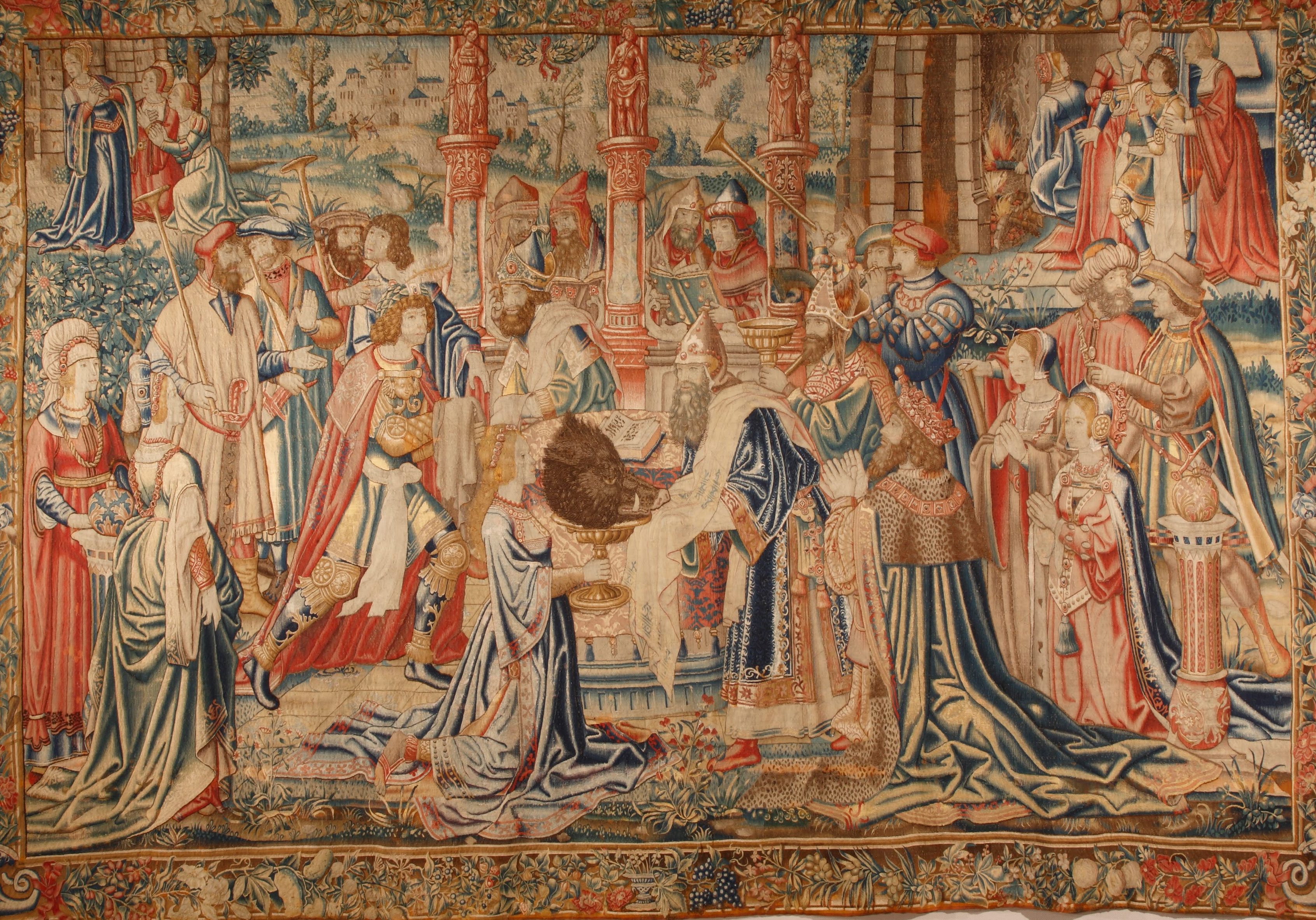
Flemish Tapestry showing the presentation of the Calydonian Boar’s Head. Toledo Museum of Art.
The Boar was gone, but so were the Queen, her brothers, and the crown prince. For good measure, Artemis transformed four of Meleager’s grieving sisters into guinea fowl. The other two, Deinaria and Gorge, were spared for their roles in later stories.
Deinaria and Heracles
Another one of Meleager’s sisters becomes part of Heracles’ demise.
When Heracles goes down to the underworld, he meets the shade of Meleager and promises to marry Deinaria. After completing his labours, he finds her and the two get married.
Later, while they are trying to cross a river, Deinaria is almost raped by the Centaur and Heracles shoots a poisoned arrow at the boat. With his dying breath, Nessus tells the Princess to take his shirt and give it to Heracles when he is unfaithful. It will act like a love charm.
Despite Nessus literally trying to assault her a moment ago, she accepts his shirt and later uses it on Heracles when she thinks he is falling in love with another.
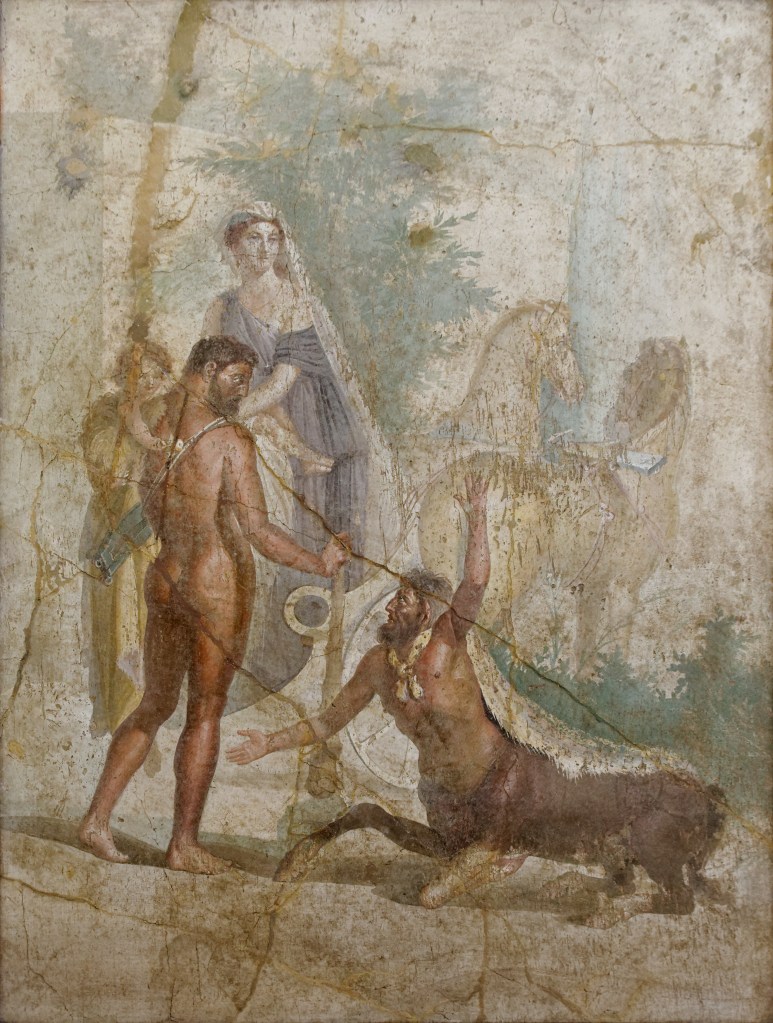
The shirt had hydra poison on it, and Deinaria accidentally caused the death of her husband. She commits suicide, but in the afterlife, Heracles ends up marrying the daughter of Hera and Zeus, so it seems like Deinaria had a tragic afterlife as well.
Antique fresco showing Heracles, Nessus, and Deinaria. Museo Archeologico Nazionale di Napoli.
Incest…or….
Her sister, Gorge, potentially had a child, Tydeus, with her father after Zeus cursed him to fall in love with his daughter. Tydeus was exiled from Calydon because he killed either his uncle, brother or six cousins- it is unclear. Either way, his son, Diomedes, plays a crucial role for the Greeks in the Trojan War. However, according to other sources, Tydeus was not Gorge’s son but her half-brother. She married Andraemon, and they had a son, Thoas, who would also fight the Trojans with the Aetolians.
Aphrodite with more Golden Apples
To end the story where we left off, let’s return to Atalanta. After the hunt, she reconciled with her father but evaded his attempts at arranging her marriage by claiming she would only marry the one who could beat her in a race.
Hippomenes prayed to Aphrodite for a way to win, and the goddess gave him three golden apples from the Hisperides. I’m sure Aphrodite helped him less so because she loves lovers and more because Atalanta had spurned love altogether.
Atalanta was distracted by the apples during the race, and Hippomenes won. However, he forgot to thank the goddess of love. While they were out hunting, a furious Aphrodite drew them into a lustful passion, and they accidentally defiled a temple belonging to either Zeus or Rhea. As punishment, they were transformed into lions.
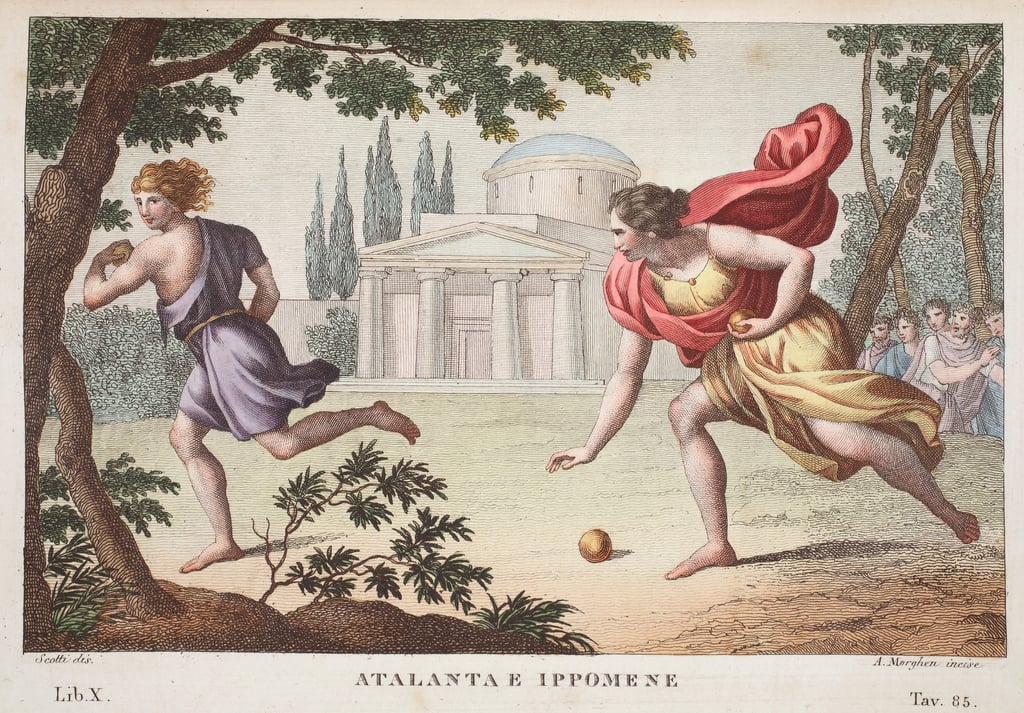
Atalanta and Hippomenes , Book X, illustration from Ovid’s Metamorphoses by Luigi Ademollo, Florence, 1832
Sources
The House of Calydon
Apollodorus. The Library. Translated by Sir James George Frazer. Loeb Classical Library Volumes 121 & 122. Read 1.8.1 Online.
Althaea and the Death of Meleager
Ovid. Metamorphoses. Book 8. Translated by Brookes More. Boston, Cornhill Publishing Co. 1922. Read 445 Online.
Atalanta
Claudius Aelianus. His Various History. Book XIII (pages 258-287). Translated by Thomas Stanley. 1665. Read Online.
Hesiod. The Catalogues of Women and the Eoiae. Fragment 14. Read Online.
Ovid. Metamorphoses. Book 8. Translated by Brookes More. Boston, Cornhill Publishing Co. 1922. Read 262 Online.




 Tales from the Enchanted Forest


